
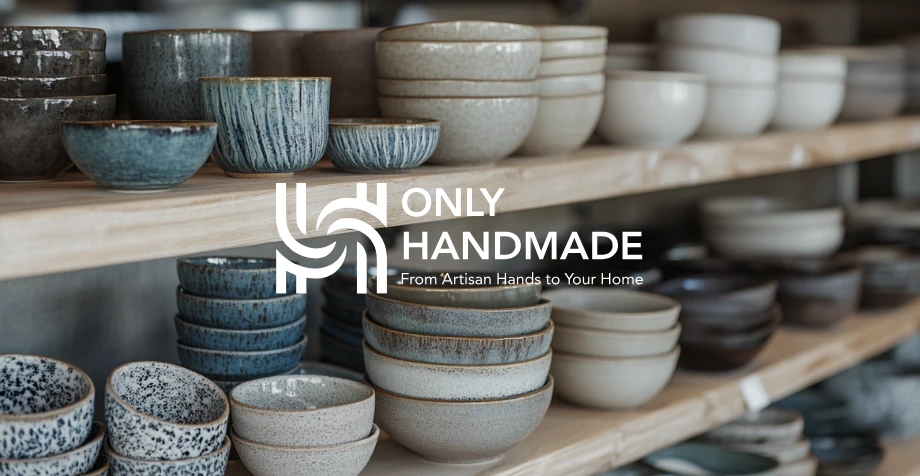
Using ceramic in luxury tableware is a choice that reflects refined taste and a strong appreciation for quality and fine details in food presentation. Historically, ceramic has been associated with sophistication and elegance, having been used in the production of dining vessels for thousands of years. Ceramic is distinguished by its ability to withstand high temperatures and resist scratches, making it practical for both everyday use and special occasions. Its smooth, non-porous surface prevents the absorption of odors and flavors, preserving the purity of food taste. Ceramic tableware comes in a wide variety of shapes and designs to suit different tastes and décor styles, from classic to contemporary.
What is ceramic? And what is the history of its use in tableware?
Ceramic is a term used to describe inorganic, non-metallic materials formed through heat, with clay as their primary component. The use of ceramic in tableware dates back thousands of years, with archaeological evidence indicating its earliest appearance in East Asia, specifically in China.
Over time, ceramic production spread to different regions around the world, including Japan, Persia, the Middle East, and Europe. Initially, ceramic was used to produce cooking and food storage vessels due to its durability and ability to withstand heat.
How is luxury ceramic tableware manufactured?
The production of luxury ceramic tableware goes through several precise stages to ensure high quality and an elegant appearance. The process begins with preparing raw materials, including clay and other substances such as feldspar and quartz, which are ground and mixed with water to form a paste.
The paste is then shaped into the desired form using molds or a potter’s wheel. The shaped pieces are left to dry slowly, then fired in special kilns at high temperatures in a process known as the first firing or “bisque firing.” Finally, the pieces are coated with a glaze and fired again to produce a solid, glossy final product.
See also: Contemporary pottery design trends
What types of ceramic are used in making plates and cups?
There are several types of ceramic used in tableware production, each with its own distinguishing characteristics. The most notable types include:
Porcelain: Known for its smoothness, translucent appearance, and strength. It is made from white kaolin clay and fired at very high temperatures, and is commonly used in luxury tableware and formal dining settings.
Stoneware: Characterized by its durability and resistance to cracking, making it ideal for daily use. It is fired at high temperatures, resulting in a dense and sturdy material.
Earthenware: One of the oldest types of ceramic, recognized by its rustic texture. It is fired at lower temperatures than porcelain and stoneware, making it more porous and less durable.
Bone China: A type of porcelain that includes bone ash, giving it extra strength and a warm, creamy appearance.
Using ceramic in luxury tableware
The use of ceramic in luxury tableware is a true reflection of quality and elegance. Ceramic dining pieces are known for their durability, scratch resistance, and ability to retain heat, keeping food warm for longer periods. Their smooth, non-porous surface prevents odor and flavor absorption and makes them easy to clean. Ceramic tableware comes in a wide range of designs and colors, offering endless possibilities for coordinating with different table settings.
World-renowned brands in luxury ceramic tableware
Many global brands are renowned for producing luxury ceramic tableware distinguished by exceptional quality and innovative designs. Among the most prominent are:
Villeroy & Boch: A prestigious German company known for high-quality products that blend classical and modern design.
Lenox: A leading American brand whose products are used in the White House.
Royal Crown Derby: One of the most famous British brands, known for luxurious pieces adorned with intricate designs.
Gien: A luxury French brand initially known for supplying tableware to European royal families.
Hand-decorated ceramic: an artistic piece on your table
Hand-decorated ceramic adds a unique artistic touch to the dining table, as each piece carries the signature of the artisan who created it. These items are distinguished by their intricate patterns and designs, making them true works of art rather than mere serving tools. Owning hand-decorated ceramic sets represents an investment in beauty and craftsmanship, with each piece telling a story of heritage and skilled artistry. This type of ceramic adds a distinctive and personal character to the dining experience.
Bone China: what makes it different?
Bone China is a high-quality type of porcelain that includes bone ash in its composition, typically accounting for 30% to 50% of the mixture. This addition gives it unique properties that set it apart from other types of ceramic, including:
Translucency: When exposed to light, it displays a distinctive translucence that allows light to pass through, a feature not found in ordinary ceramic.
Strength and lightness: Despite its delicate appearance, it is remarkably strong and resistant to chipping and cracking, while also being lighter than traditional porcelain.
Color: It has a soft white color with ivory or creamy tones, unlike the bright white of standard porcelain.
Heat retention: It retains heat well, making it ideal for serving hot beverages.
See also: Arab ceramic art in international exhibitions
Sustainability and ceramic manufacturing: is it eco-friendly?
Ceramic manufacturing has an environmental impact, as the production process requires significant energy and water consumption, especially during kiln firing at high temperatures. This consumption contributes to greenhouse gas emissions. However, there is a growing trend toward more sustainable practices in the industry, including:
Use of recycled materials: Leftover clay and broken ceramic pieces are reused to reduce the need for new raw material extraction.
Development of low-emission kilns: Modern technologies such as heat-recovery kilns or electric kilns powered by renewable energy are used to reduce fuel consumption.
Water conservation: Efficient systems are applied to recycle wastewater used in manufacturing processes.
Safe glazing: The use of heavy metals such as lead in glazes is avoided, making products safer for consumers and the environment.
Frequently Asked Questions
Can all types of ceramic tableware be placed in the oven?
No, not all ceramic types are oven-safe. Stoneware is generally safe due to its durability and heat resistance, while porcelain or earthenware may crack if exposed to sudden temperature changes. Always check the manufacturer’s instructions.
How can stubborn stains such as tea and coffee stains be removed from ceramic cups?
Stains can be effectively removed by making a paste of baking soda and water and gently rubbing it onto the stain with a soft cloth or sponge, then rinsing thoroughly. This method is safe and does not scratch the ceramic surface.
Is it safe to use ceramic dishes with small cracks or chips?
It is not recommended, as bacteria can grow in these cracks and contaminate food. Additionally, very old pieces with cracked glaze may contain lead that can leach into food.
What is the difference between hand-painted ceramic and decal-decorated ceramic?
Hand-painted ceramic is decorated directly by an artist, making each piece unique and often showing subtle brush marks. Decals, on the other hand, are printed designs transferred onto the surface and fired to fix them, resulting in perfectly uniform patterns.
How does the shape of a ceramic cup affect the experience of drinking coffee or tea?
The shape plays a significant role. Wide-rim cups allow aromas to evaporate more quickly and are suitable for beverages meant to be consumed promptly, while narrow-rim cups retain aroma and heat longer, enhancing the experience of slowly enjoyed drinks.




 +201063701400


