
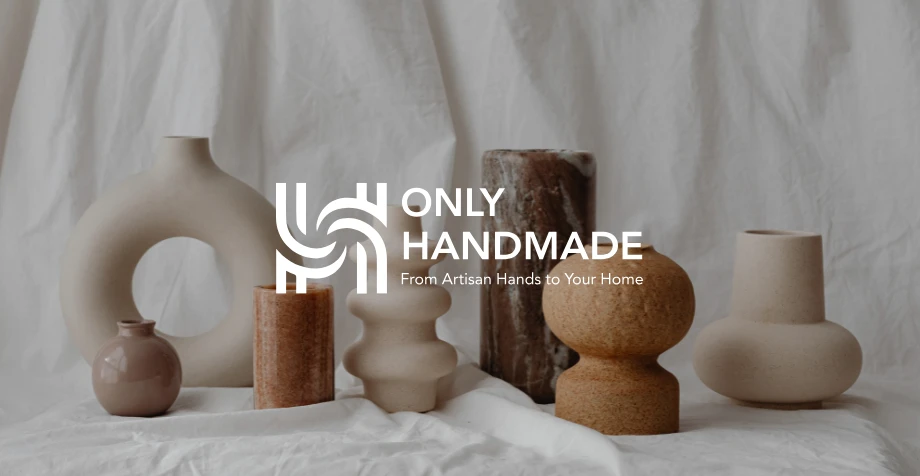
The world of pottery is undergoing a remarkable transformation, as it is no longer limited to traditional inherited forms. Today, attention is shifting toward functional artistic pieces that suit modern lifestyles while combining authenticity and simplicity. Understanding contemporary pottery design trends reveals a strong return to natural materials and calm earthy tones, with a focus on asymmetrical forms and raw textures that carry the maker’s signature. This direction not only reflects an appreciation for craftsmanship, but also represents a search for unique pieces that add a warm and personal character to modern spaces, whether in home décor or everyday functional items.
What types of clay are used in modern pottery?
The choice of clay in contemporary pottery depends on the desired characteristics of the final product in terms of color, durability, and porosity. Understanding these types helps you select the right piece for your needs, whether decorative or functional. The main types used include:
Earthenware clay: The most common and easiest type to shape, fired at relatively low temperatures. It is highly porous and ranges in color from red to brown and orange. It is often used for planters and decorative items that do not need to hold liquids for long periods.
Stoneware clay: Fired at higher temperatures, making it harder, more durable, and less porous than earthenware. It comes in shades ranging from light gray to dark brown. Due to its strength and liquid resistance, it is ideal for tableware and cookware suitable for ovens and microwaves.
Porcelain: Considered the finest type of clay, made from pure white kaolin and fired at extremely high temperatures. This results in very strong, non-porous pieces that are often white and slightly translucent when exposed to light. It is commonly used for luxury tableware and delicate artistic pieces.
Pottery color trends for 2025
Color trends in pottery for 2025 lean toward mimicking nature and creating a sense of calm and warmth, reflecting a growing desire for sustainable, earth-connected designs. Earthy tones dominate the scene, adding comfort and authenticity to pottery pieces.
Warm earthy tones: Shades of chocolate brown, fired clay, and sandy beige lead the trend. These colors give pottery a natural look that harmonizes easily with various interior styles.
Soft green tones: Greens such as olive and grayish green appear prominently, adding a touch of nature and vitality to designs. These shades create relaxing atmospheres ideal for living rooms and offices.
New neutral tones: Instead of bright white, warm neutrals like creamy white and bluish-gray are gaining popularity. These colors provide a calm backdrop and balance bolder décor accents.
Bold accent colors: To add personality, colors such as deep blue, mustard yellow, and brick red appear as distinctive details, creating attractive contrast with dominant earthy tones.
See also: Using ceramic in luxury tableware
Contemporary pottery design trends
Contemporary pottery art is shifting toward simplicity and an emphasis on the natural beauty of the material. Design trends in modern pottery no longer focus on intricate ornamentation, but instead celebrate unique textures and unconventional forms that highlight the handcrafted nature of each piece.
Organic and asymmetrical forms
There is a clear tendency toward shapes inspired directly by nature, featuring irregular lines and free-flowing curves. This approach moves away from perfect symmetry and embraces subtle imperfections that make each piece one of a kind, adding artistic and personal character to a space.
Emphasis on raw texture
Texture plays a major role in modern designs, with many artists choosing to leave parts of the piece unglazed to showcase the natural feel of the clay. This technique adds depth and tactile dimension, inviting touch and strengthening the connection between the user and the object.
Simple and functional designs
Simplicity lies at the heart of beauty in many contemporary pottery works. Clean designs with clear lines and neutral colors reflect the influence of Scandinavian style and Japanese minimalism (Wabi-Sabi). These pieces focus on core functionality without sacrificing quiet elegance, making them ideal for everyday use in modern homes.
What is the difference between pottery, ceramic, and stoneware?
Although these terms are often used interchangeably, there are fundamental differences related to materials, firing temperatures, and final properties. Understanding these differences helps in appreciating each piece and determining its best use.
Pottery (Earthenware): A broad term referring to objects made from clay and fired at low temperatures (around 1000–1150°C), making them porous and less durable than other types.
Ceramic: An umbrella term that includes earthenware, stoneware, and porcelain. Ceramic pieces are shaped from clay, dried, fired, glazed, and fired again, making them more water-resistant and durable.
Stoneware/Porcelain: Commonly used to describe advanced ceramic products made from purer clays and fired at very high temperatures (1200°C and above), resulting in dense, extremely durable, non-porous items suitable for demanding uses.
Material | Clay type | Firing temperature | Properties
Pottery | Natural clay rich in iron and impurities | Low | Porous, not water-resistant without glaze, less durable
Ceramic | Processed clay with glaze | Medium to high | Less porous, water-resistant, more durable
Stoneware/Porcelain | Pure clay (kaolin, feldspar) | Very high | Non-porous, extremely hard and durable
Handmade pottery gift ideas
Handmade pottery gifts are a unique and meaningful choice that reflects care and refined taste. Each piece carries the maker’s signature and distinctive details, making it a memorable personal gift. Ideas include:
Customizable handmade mugs: A unique mug engraved with initials or an inspiring phrase is both practical and personal.
Small artistic vases: A modern or organically shaped vase can be a striking decorative piece for any home or office corner.
Jewelry dishes: A small decorative dish for rings and earrings, elegant and functional.
Candle holders or incense burners: Simply designed pottery pieces that help create warm and relaxing atmospheres.
Small plant pots: Creative planters for cacti or succulents, ideal for lovers of plants and natural décor.
See also: Arab ceramic art in international exhibitions
Famous artists in contemporary ceramic art
Contemporary ceramic art has evolved significantly thanks to innovative artists who challenged traditional concepts and introduced new artistic visions. Their works go beyond function to express intellectual and philosophical dimensions.
Peter Voulkos: A pioneer of abstract expressionist ceramics in the United States, he blurred the line between craft and fine art, treating clay as a sculptural medium.
Lucie Rie: An Austrian-born British ceramic artist known for elegant minimalist forms and experimental glazes, blending European modernism with refined aesthetics.
Kanjiro Kawai: A leading Japanese artist and co-founder of the Mingei movement, emphasizing simplicity, functionality, and traditional beauty.
Magdalene Odundo: A Kenyan-British ceramic artist known for hand-built vessels with polished surfaces and rich color gradients inspired by African and classical traditions.
John Mason: An American artist renowned for monumental abstract ceramic sculptures that elevated ceramics to contemporary fine art.
Frequently Asked Questions
Can pottery be used in the microwave?
Generally, traditional unglazed earthenware is not recommended for microwave use, as trapped air and moisture may cause cracking. Fully glazed stoneware and porcelain are usually microwave-safe, but manufacturer guidelines should always be checked.
Are pottery items dishwasher-safe?
It depends on the type. Stoneware and modern ceramics are often dishwasher-safe, while traditional or hand-painted earthenware should be hand-washed to avoid damage or color fading.
How can a broken pottery piece be repaired?
A strong ceramic epoxy adhesive can be used. Clean the broken edges thoroughly, apply adhesive, and hold the pieces together until fully cured. Repaired items should not be used for food.




 +201063701400


