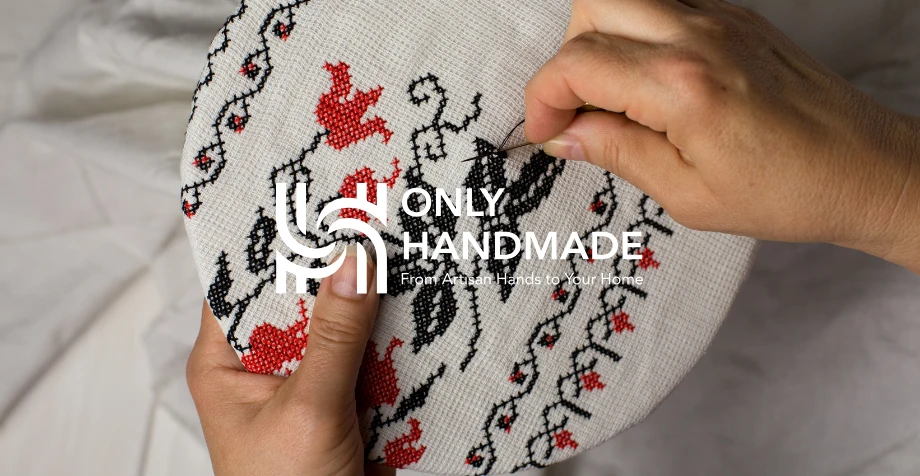
Hand embroidery as a sustainable women’s craft is not merely a traditional art form; it represents a practical model for achieving economic and social sustainability for women. This ancient craft serves as an effective tool for empowering women—especially within local communities—by providing a stable source of income based on inherited manual skills. The importance of embroidery extends beyond decoration, becoming a means of preserving cultural heritage and expressing identity, as simple fabrics are transformed into unique artistic pieces of high value. It is a professional pathway that combines artistic creativity with environmentally responsible production, directly contributing to the circular economy and offering sustainable alternatives to mass-produced goods.
Secrets of Success for Hand Embroidery as a Sustainable Women’s Craft
The success of a hand embroidery project depends on moving beyond hobby-level practice into a framework of professional, sustainable work. Achieving this requires focusing on key elements that meet market expectations and ensure product distinction. A successful hand embroidery business demands refined artistic skills developed through experience, alongside smart business management. Artisans must offer unique value that automated machines cannot replicate, ensuring continuous income and reinforcing the concept of hand embroidery as a sustainable women’s craft in consumer awareness.
Elements of Sustainability in an Embroidery Project:
Quality and Precision: Mastery of stitches and clean execution justify premium pricing.
Innovation and Renewal: Avoid imitation and present contemporary designs inspired by heritage.
Digital Marketing: Use high-quality imagery and social media platforms to reach the target audience.
The Value of Hand-Embroidered Pieces: Why Do People Pay More?
A hand-embroidered piece is not merely a product; it is an investment in art, craftsmanship, and time. Consumers willing to pay a higher price seek the story behind the piece, its uniqueness, and its emotional value—qualities absent in machine-made products. Purchasing a hand-embroidered item directly supports a successful embroidery project and skilled women artisans whose individual efforts are invaluable. The worth of hand embroidery as a sustainable women’s craft is measured by standards that go beyond material costs.
What Added Value Motivates the Customer to Buy?
Customization: The ability to add personal touches such as names or dates.
Design Uniqueness: Each piece is one of a kind and cannot be precisely replicated by machines.
Time and Effort: Appreciation of the long hours—sometimes months—spent on a single piece.
Sustainability and Responsibility: Supporting fair local and environmental economies.
Learn more: The Art of Arab Embroidery in European Fashion
Hand Embroidery: Reviving Cultural Heritage with a Modern Touch
Embroidery is a visual record of peoples’ history, where each stitch carries symbolic and regional significance. Today, heritage revival through embroidery has become a global trend in fashion and interior design—not only to preserve tradition, but to integrate it into contemporary designs suitable for modern markets.
This fusion ensures the craft’s continuity and appeal to new generations seeking distinctive style and meaningful narratives. Hand embroidery as a sustainable women’s craft plays a pivotal role in this revival, preserving traditional spirit while aligning with modern fashion trends.
Types of Hand Embroidery and Their History in the Arab Region
Hand embroidery has deep roots spanning thousands of years in the Arab world. In ancient Egypt, it adorned linen garments with intricate plant and animal motifs. Techniques vary widely across Arab countries, each reflecting local geography and culture. Understanding these styles enables artisans to create authentic designs and helps customers appreciate craftsmanship and select embroidery styles suited to their tastes and needs.
Most Notable Traditional Arab Embroidery Styles:
Palestinian Embroidery (Cross Stitch): Wide stitches featuring geometric and botanical symbols such as the eight-pointed star and cypress tree.
Moroccan Embroidery (Fez and Marrakesh): Distinguished by silk threads in gold and silver tones, inspired by Andalusian motifs for caftans.
Egyptian Embroidery (Upper Egypt and Sinai): Sinai Bedouin embroidery uses bold colors, while Nubian embroidery favors geometric patterns.
Siwan Embroidery: A Civilization Told Through Women’s Hands
Siwan embroidery is a unique traditional art passed down in Egypt’s Siwa Oasis, reflecting Amazigh heritage and environmental simplicity. Siwan garments feature dense, colorful silk embroidery, particularly for indoor attire, preserving stylistic elements unchanged for generations.
A traditional bridal dress may take up to five months to complete, granting it exceptional material and emotional value. This precision and time investment make Siwan embroidery a living example of hand embroidery as a sustainable women’s craft that preserves cultural identity.
Learn more: Modern Embroidery Designs Inspired by Heritage
Embroidery as a Symbol of Identity and a Record of Heritage Stories
Embroidery has long been more than ornamentation—it is an unwritten language that documents identity and regional history. Through colors and motifs, women expressed social status and environmental context. Today, handcrafted embroidery continues to symbolize identity, with each stitch telling a unique story of belonging. This cultural dimension distinguishes hand embroidery as a sustainable women’s craft, elevating its cultural value and encouraging consumers to support heritage preservation.
Hand-Embroidered Fashion: Luxury That Competes with Global Brands
Choosing hand-embroidered fashion means owning a one-of-a-kind narrative rather than a mass-produced item. True luxury lies in the precision machines cannot replicate, as hand embroidery adds depth and dimensionality that transform garments into wearable artworks.
This craftsmanship is what defines high-end global brands and drives their reliance on skilled artisans. Opting for hand embroidery reflects a preference for enduring quality and genuine distinction, reinforcing the principle of hand embroidery as a sustainable women’s craft within the slow fashion movement.
Unique Gift Ideas Featuring Hand Embroidery
If you seek a gift with deep emotional value and lasting impression, hand-embroidered pieces are an ideal choice. They reflect attention to detail and a desire to offer something truly unique, while supporting women artisans and small embroidery projects. Personalization with initials or significant dates enhances exclusivity.
Meaningful Hand-Embroidered Gift Ideas:
Embroidered Family Portraits: Transforming photos into needle art.
Personal Accessories: Makeup bags or wedding handkerchiefs embroidered with names.
Baby Keepsakes: Embroidering a child’s name and birthdate on clothing or blankets.
Eco-Friendly Embroidered Products: Toward Sustainable Fashion
Hand embroidery is an integral part of the slow fashion movement, which aims to reduce the industry’s negative environmental impact. Choosing eco-friendly embroidered products supports sustainability, as this craft often relies on natural or organic materials and requires minimal energy consumption compared to industrial production.
Additionally, repairing and upcycling old garments through embroidery significantly reduces textile waste, reinforcing hand embroidery as a sustainable women’s craft and an eco-conscious alternative to fast fashion.
Frequently Asked Questions
- How long does it take to master hand embroidery and start selling?
With consistent practice, basic stitches can be mastered and commercially viable pieces produced within one to two months.
How can embroidery quality withstand frequent washing?
By using high-quality colorfast threads and secure stitching, along with recommending cold hand washing.
What hand-embroidered items sell best today?
Personalized accessories, small decorative wall pieces, and children’s garments lead the market.
Can embroidery be used to repair or renew old clothing?
Yes—this eco-friendly process, known as upcycling, gives old garments new life with artistic value.




 +201063701400


