
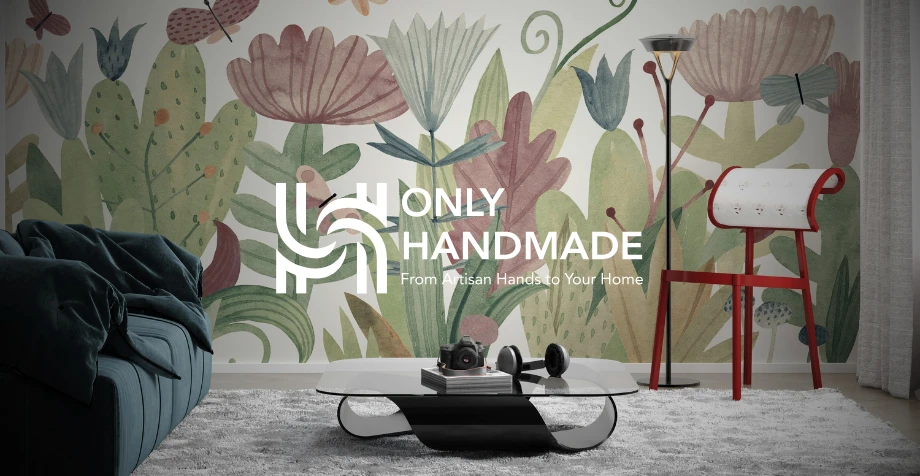
Wall art and its influence on interior spaces play a pivotal role in transforming ordinary environments into exceptional, vibrant ones. Murals are not merely decorative additions—they are an effective means of expressing personal identity and creating a specific mood within a space. A mural can define the room’s character, whether through an abstract design that adds depth and dimension, or a calming nature-inspired scene that inspires tranquility. With the right colors and designs, murals can make small spaces appear larger, enhance lighting, and create a striking focal point that draws the eye.
Wall Art and Its Impact on Interior Spaces
Wall art is considered a fundamental element in modern interior design, turning silent walls into vibrant focal points that reflect the identity of the space. Murals do more than enhance aesthetics; they reshape spatial perception. A mural featuring an expansive natural landscape can give a small room a sense of openness, while warm colors and dynamic patterns bring energy to larger spaces. This art form is an investment in quality of life, enhancing mood and creating inspiring and comfortable environments.
How Do I Choose the Best Mural Artist for My Home?
Selecting the right artist to create a mural in your home is a crucial step to ensure the execution of your artistic vision. Several factors should be considered:
Review Previous Work:
Begin by researching mural artists and reviewing their portfolios. Pay attention to the diversity of their styles and their ability to execute realistic, abstract, or classical designs.
Experience and Specialization:
Choose an artist experienced in indoor murals and familiar with the appropriate paints and preparation techniques necessary for long-lasting results.
Communication and Understanding Your Vision:
A great mural artist listens, collaborates, and provides preliminary sketches. Good communication ensures a final result that genuinely represents your style.
See Also: Trends in Wall Art in Home Décor
What Types of Paint Are Used for Wall Murals?
Choosing the right paint is essential for achieving a durable and beautiful mural:
Acrylic Paints:
The most widely used—quick-drying, water-resistant, vibrant, and suitable for most surfaces.
Oil Paints (Lacquer):
Highly durable with rich colors and gloss. They require more time to dry and have stronger odors.
Water-Based Paints:
Budget-friendly and low-odor, ideal for interiors but generally less durable.
Velvet Paints:
Perfect for luxurious settings, providing a pearly or velvety texture commonly used in villas and upscale interiors.
Wall Art in Ancient Civilizations and Its Influence Today
Murals date back thousands of years and were used to document life before writing existed. Cave paintings depicted hunting and rituals, while Egyptian wall art recorded everyday life and religious beliefs. Mesopotamian murals illustrated victories and historical events.
Today, this legacy inspires contemporary artists, who continue using walls as canvases to tell stories and add identity to spaces. Modern materials and techniques broaden creative possibilities, but the core idea remains: transforming walls into immersive artistic experiences.
Arabic Calligraphy Murals: A Touch of Authenticity
Arabic calligraphy has become a popular interior design element, adding elegance and cultural depth. These murals may incorporate Quranic verses, poetry, quotes, or artistic name designs.
Popular calligraphy styles include:
Thuluth Script: Elegant, often used for Quranic verses.
Kufic Script: Geometric and ideal for modern décor.
Diwani Script: Flowing and warm, perfect for living areas.
These murals can be painted directly on walls or created on large canvas panels to serve as standout focal points.
Latest Mural Trends in Interior Design
Mural art continues evolving, and 2025 brings new trends blending creativity, nature, and technology:
Nature-Inspired Murals: Landscapes, tropical plants, and oversized florals that provide tranquility.
Geometric & Abstract Designs: Minimal, modern patterns with bold color gradients.
3D Murals: Creating visual depth and movement—excellent for entrances and dramatic spaces.
Integrated Lighting: LED strips and light accents that enhance mural details and moods.
See Also: Handmade Paintings as Unique Artistic Gifts
How Long Does It Take to Complete a Mural?
Time varies depending on design complexity, size, wall condition, and medium.
Small, simple murals: 1–3 days
Large, detailed murals: 1–3 weeks or more
Factors affecting duration:
Size of the mural
Complexity and level of detail
Wall preparation requirements
Type of paint and drying time
FAQ
How Is Mural Cost Calculated?
Based on size (m²), complexity, materials, and the artist’s experience.
Are Mural Paints Safe for Children’s Rooms?
Yes—high-quality acrylic paints are VOC-free, odorless after drying, and safe for kids and pregnant women.
What Are the Advantages of Hand-Painted Murals vs. Wallpaper?
Murals are unique, durable, custom-made, and better at hiding wall imperfections.
How Long Do Indoor Murals Last?
With high-quality materials, over 10 years with minimal fading.
Can the Mural Be Removed or Painted Over?
Yes—sand lightly, apply primer, and repaint.




 +201063701400


