
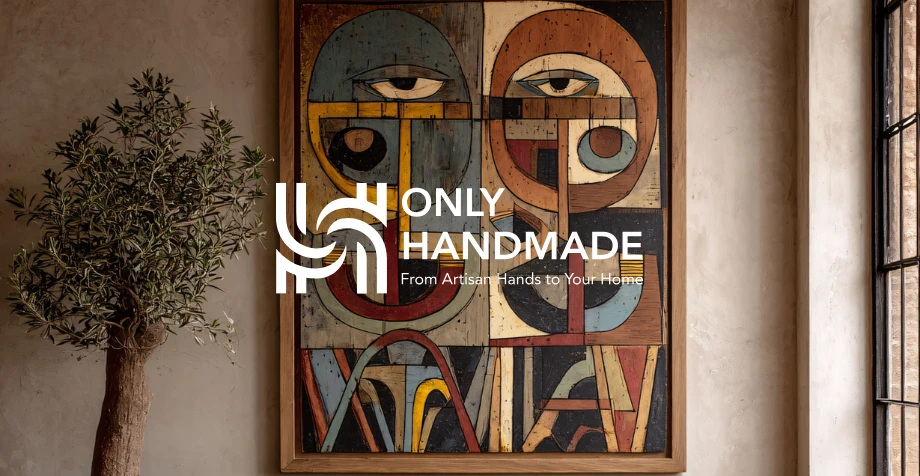
Art paintings are a vital element of interior design; they go beyond being simple decorative pieces to become an integral part of the space’s identity and personal character. Choosing the right artwork directly affects the overall ambiance of the room, as it can create a sense of spaciousness or add warmth and comfort. With evolving tastes, trends in art paintings for home decor continually change to satisfy the desire for refreshed and more modern spaces. This article highlights the most prominent trends and how to use them effectively to transform your home into an artistic space that reflects your unique personality and taste.
How do you choose the right art painting for your home space?
Choosing the right art painting for your home requires considering several factors to ensure it integrates beautifully with the space:
Consider the wall size—large, spacious walls can accommodate oversized paintings that act as a central focal point, while small rooms require smaller artworks or a balanced collection of small pieces to avoid a cluttered feel.
Color harmony is essential. It’s recommended to choose paintings whose colors match your walls and furniture—or the opposite, by selecting a vibrant artwork to energize a neutral wall.
Finally, the painting’s style should reflect the overall interior theme—whether classical, modern, or bohemian—to enhance the space’s identity and achieve visual harmony.
What are the rules for hanging art paintings on walls?
To hang art paintings correctly and attractively, décor experts recommend following key rules:
Ideal height:
The golden rule is to hang the painting so that its center aligns with average eye level—typically between 145 and 160 cm from the floor. This ensures the artwork is comfortable to view and visually centered.
Distance above furniture:
When hanging a painting above furniture such as a sofa, bed, or console table, leave a space of 15–25 cm between the bottom of the painting and the furniture’s top.
Spacing between paintings:
In a gallery wall, maintain equal spacing—about 5–10 cm—between frames for a neat, balanced appearance.
Proportion to wall size:
Avoid hanging a very small artwork on a large empty wall or a very large painting on a small wall, maintaining visual balance.
Learn more: Mural Art and Its Impact on Interior Spaces
What are the current trends of art paintings in home décor?
Trends in art paintings for home décor continue to evolve, reflecting modern lifestyles and shifting tastes. Today’s trends include:
A return to nature: landscape art and organic themes are highly popular.
Bold abstract art: bright, energetic abstract pieces add life to neutral spaces.
Mixing old and new: combining classical-themed paintings with modern décor for a striking contrast.
New materials: artworks are no longer limited to canvas—metal, glass, and acrylic art are rising trends offering a modern twist.
How to use art paintings to create a focal point in the room?
To make an artwork a focal point that draws immediate attention:
Identify the main wall—often the wall facing the entrance, or behind the main furniture piece like a sofa or bed.
Choose a large painting or a cohesive set of artworks with strong colors or compelling themes.
Use directional lighting such as spotlights to highlight the artwork and emphasize its details dramatically.
Creative ideas for arranging paintings in hallways and narr ow spaces
Hallways and narrow spaces can become captivating art galleries through creative placement:
Family photo wall: transform the hallway into a personal gallery with family photos in coordinated frames.
Vertical artworks: tall designs enhance the sense of ceiling height.
Floating shelves: arrange small and medium paintings on slim floating shelves for flexible rearrangement.
Asymmetrical arrangement: mix different sizes and shapes in a visually balanced yet creative layout.
Mirrors with artworks: mirrors add brightness and create a sense of spaciousness when combined with paintings.
Learn more: Handmade Paintings as Unique Artistic Gifts
What is the impact of landscape paintings on home décor?
Landscape paintings can dramatically transform interiors by acting as a window to nature. They introduce calmness and tranquility, enhance visual depth, and make small rooms feel more spacious. Natural tones such as blues, greens, and earthy colors promote relaxation and reduce stress—ideal for bedrooms and living spaces.
What are the best types of paintings for classical décor?
Classical interiors require specific artworks that enhance elegance and authenticity:
Oil paintings featuring historical scenes, portraits, or still life
Realistic landscape paintings
Ornate or gold-toned wooden frames to complement the space
These artworks should feel timeless, adding refinement and depth to the overall design.
Abstract paintings: how do they add a modern touch to your home?
Abstract paintings are powerful tools for adding a contemporary and energetic vibe. They rely on colors, shapes, and lines to spark imagination rather than depicting realistic subjects. In minimalist décor, a bold abstract painting breaks monotony and adds personality. Even in classical settings, abstract art introduces an intriguing contrast.
They are ideal for expressing artistic boldness and refreshing the atmosphere.
FAQs
Can I hang art paintings in the bathroom?
Yes, but choose moisture-resistant materials such as treated canvas or acrylic, and ensure good ventilation.
How important is the painting frame, and can it be omitted?
Frames complete and protect the artwork. Classic frames add luxury, while simple ones suit modern décor. Some modern trends use frameless stretched canvas for a minimal look.
How do I choose an artwork on a budget?
Look for affordable art prints, support local emerging artists, or use artistic photography and digital prints.
Should all paintings in the home match in style?
No. Mixing styles (e.g., abstract with classic) creates an attractive eclectic décor. A shared color palette or theme can unify the collection.
What are the best paintings for minimalist décor?
Minimalist spaces suit simple, clean designs: one-line art, neutral abstract pieces, or black-and-white photography.




 +201063701400


