
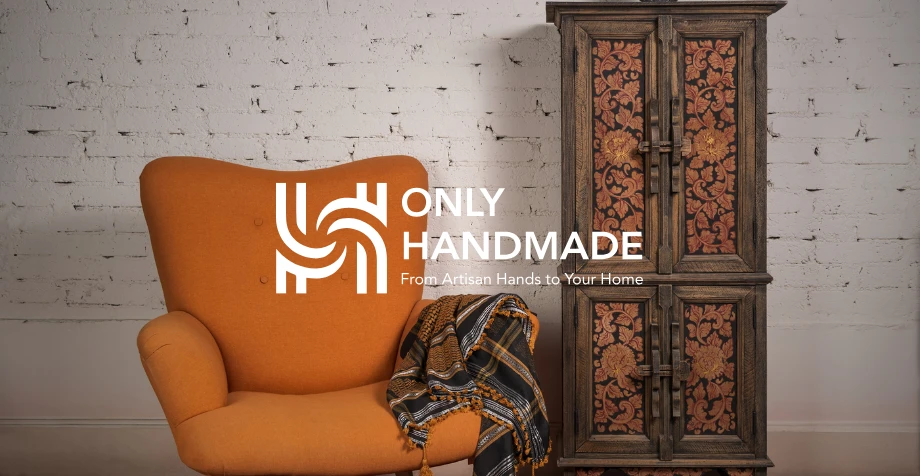
Reviving old furniture pieces represents a smart investment that goes beyond mere financial savings, as it contributes to preserving environmental resources by reducing waste. The importance of reviving heritage furniture pieces lies in their ability to breathe new life into items that carry emotional and historical value, transforming them into unique artistic pieces that harmonize with modern décor. Instead of discarding worn furniture, restoration and maintenance can restore its original charm or give it an entirely new identity, adding a distinctive and personal character to any space while preserving the memories these pieces hold.
The Importance of Reviving Heritage Furniture Pieces
The importance of reviving heritage furniture pieces is evident in its role as a sustainable practice that combines environmental, economic, and aesthetic benefits. By refurbishing old furniture instead of disposing of it, we help reduce landfill waste and conserve natural resources. Economically, furniture restoration is far less expensive than purchasing new pieces. Aesthetically, each restored item tells a unique story and adds a refined, personal touch to any space, transforming it into a one-of-a-kind artistic element.
How Can Old Wooden Furniture Be Easily Refurbished?
Old wooden furniture can be brought back to life with simple steps that give it a fresh and attractive appearance. The process mainly relies on proper surface preparation and a refined finish. Key steps include:
Assessment and cleaning: Carefully inspect the furniture for structural damage, then clean it thoroughly using a soft cloth and mild soap solution, drying immediately to prevent wood damage.
Sanding and removing old finish: Use sandpaper to remove old paint or varnish, creating a smooth surface ready for repainting.
Priming and painting: Apply a primer to ensure better adhesion, then paint using a soft brush, applying two coats if needed.
Protection and finishing touch: Once dry, apply a clear varnish to protect the surface from scratches and add shine.
Discover more: The Difference Between Traditional Craftsmanship and Modern Manufacturing in Furniture
Innovative Ideas for Reusing Old Furniture in Home Décor
Refurbishing heritage furniture opens limitless possibilities for transforming old pieces into functional and unique décor elements.
Wooden ladders: Can be turned into stylish book or plant shelves.
Vintage suitcases: Used as unique side tables or storage units.
Old drawers: Painted and wall-mounted as modern shelves.
Windows and doors: Old window frames can become picture frames or mirrors, while doors can serve as distinctive headboards.
Wooden crates: Combined to create rustic coffee tables or open storage units.
Expert Tips for Preserving the Value of Restored Heritage Furniture
To maintain the aesthetic and material value of restored furniture, consistent care is essential.
Environmental control:
Protect from direct sunlight to prevent fading and cracking.
Maintain stable humidity to avoid wood expansion or shrinkage.
Daily use and care:
Use coasters for cups and hot dishes.
Dust regularly with a soft, dry cloth.
Polish with high-quality wood polish two to three times a year.
Discover more: Heritage Furniture in Contemporary Interior Design
How to Turn an Old Wardrobe into a Modern Artistic Piece
An old wardrobe can be transformed into a stylish focal point with creativity and care.
Planning and preparation: Clean thoroughly, remove old handles, and sand the surface.
Painting and coloring: Choose bold colors for statement pieces or neutral tones for classic appeal.
Adding creative details:
Wallpaper interior panels for added flair.
Replace old handles with modern ones.
Repurpose as a kitchen cabinet or bookshelf unit.
How to Clean and Polish Antique Furniture Without Damaging It
Antique furniture requires special care to preserve wood and original finishes.
Safe basic cleaning:
Remove dust using a soft microfiber cloth.
Use a mild soap solution if needed and dry immediately.
Avoid harmful practices:
Do not soak furniture with water.
Avoid harsh chemical cleaners.
Natural polish: A mixture of equal parts vinegar and olive oil can restore shine when applied gently along the wood grain.
The Historical and Cultural Dimensions of Heritage Furniture
Heritage furniture represents more than wood and design; it is a physical record of history and cultural identity. Materials, carvings, and craftsmanship reflect social and economic conditions of past eras. Preserving and restoring these pieces keeps history alive and connects current generations with their ancestral heritage.
Frequently Asked Questions
What is the best way to remove white water stains from wooden furniture?
Place a dry cotton cloth over the stain and gently iron with warm heat to evaporate trapped moisture.
Can veneer furniture be painted?
Yes, with careful preparation including light sanding and proper primer.
How can I fix drawers that are hard to open in old furniture?
Rub drawer edges with dry soap or beeswax to reduce friction.
What is the difference between antique and vintage furniture?
Antique furniture is over 100 years old, while vintage typically ranges from 20 to 99 years.
Does repainting heritage furniture affect its value?
Repainting rare antiques may reduce value, while refinishing other old pieces can enhance usability and appeal.




 +201063701400


