
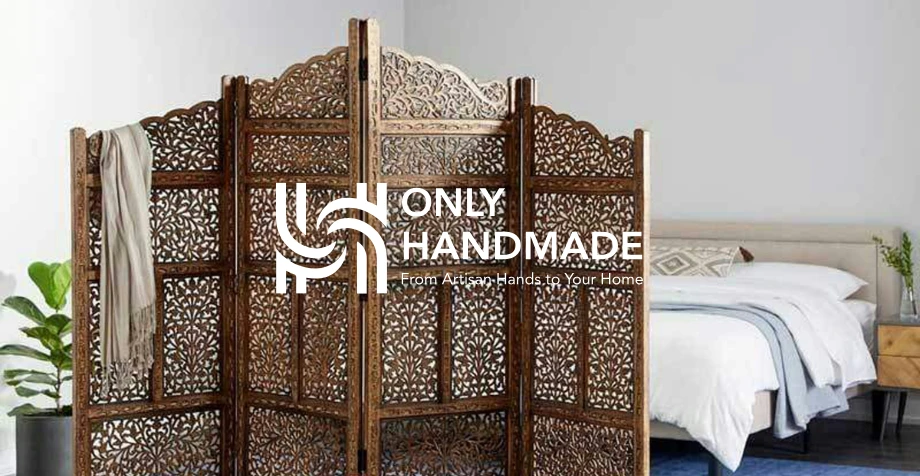
The combination of heritage furniture with contemporary décor represents an artistic trend that is gaining increasing attention in the world of interior design. This approach creates a balance that merges the warmth of the past with the elegance of the present, giving spaces a unique personal character and high aesthetic value. Incorporating heritage furniture into contemporary design does not mean overcrowding a space with old pieces; rather, it is the art of selecting key elements that tell a story and harmoniously integrate with clean lines and modern materials. This approach allows spaces to evolve over time without losing their roots, resulting in timeless design that transcends fleeting trends.
What Is Heritage Furniture and How Does It Differ from Antique Furniture?
Heritage furniture refers to pieces that carry historical and cultural value associated with a specific geographical region or a particular historical era, and they are often handcrafted from natural materials available in their local environment. Antique furniture, on the other hand, is globally defined as any piece of furniture that is more than 100 years old.
The fundamental difference lies in the fact that not every heritage piece is considered an antique, but every antique piece can be considered heritage if it reflects the culture and identity of its original makers.
Why Has Mixing Old and Modern Furniture Become a Popular Trend?
Blending classic and modern styles in interior design has become popular because it gives spaces a unique and personal identity. This approach breaks the monotony of ready-made designs and adds historical depth and warmth to the space.
The presence of a classic furniture piece within a modern setting creates a focal point that draws attention and tells a story, making the home a true reflection of its inhabitants’ tastes and experiences, far removed from repetitive, mass-produced models.
Heritage Furniture in Contemporary Design
Incorporating heritage furniture into contemporary design is an art of creating a dialogue between the past and the present within a single space. This is achieved by selecting distinctive heritage pieces, such as an ornamented wooden chest or a traditionally designed chair, and placing them within a modern context characterized by simplicity and clean lines. This fusion not only highlights the beauty of the old piece but also adds visual richness and aesthetic value to contemporary design, giving it a timeless and elegant character.
The 80/20 Rule: How to Achieve the Perfect Balance Between Heritage and Modern Styles
The 80/20 rule, also known as the Pareto principle, is an ideal framework for achieving balance in interior design. When applying it to furniture integration, you can allocate 80% of your space to contemporary design in terms of colors and main furniture pieces, while dedicating the remaining 20% to heritage or classic items you wish to highlight.
In this way, older pieces function as distinctive artistic accents and visual focal points without overpowering the overall atmosphere of the space, creating a harmonious and visually comfortable environment.
The Role of Fabrics and Patterns in Bridging Classical and Modern Styles
Fabrics and textiles play a vital role as a bridge connecting classical elegance with modern simplicity. This connection can be achieved intelligently through:
Using cushions: Adding cushions with rich heritage patterns to a modern sofa in a neutral color creates instant and attractive contrast.
Curtains: Choosing curtains made of luxurious fabrics such as velvet or silk in warm tones adds a touch of classical sophistication to a modern space.
Upholstering a furniture piece: An old heritage chair can be renewed by upholstering it with a modern fabric in bold colors or simple geometric patterns to better suit contemporary décor.
How to Integrate Oriental or Persian Rugs into a Room with Simple Furniture
Oriental or Persian rugs are artistic pieces capable of transforming any simple space into one filled with warmth and vitality. To integrate them successfully with minimalist furniture, let the rug serve as the focal point of the room. Choose cushion colors or simple accessories inspired by one of the colors present in the rug’s patterns. It is preferable for surrounding furniture, such as sofas and tables, to feature neutral colors and clean, simple lines, allowing the rug to showcase its full beauty without visual competition.
How Can You Apply the Neoclassical Style in Your Home?
The neoclassical style is a blend that combines the luxury of classical design with the simplicity of modern lines. To apply it in your home, focus on specific elements that create this elegant balance:
Colors: Rely on a refined neutral color palette such as beige, gray, and creamy white, with touches of gold or silver in accessories to add a sense of luxury.
Furniture: Choose furniture with simple geometric lines made from luxurious materials such as dark wood. A modern sofa can be paired with side chairs that feature classical details.
Lighting: Use luxurious crystal chandeliers or ornamented metal lamps as key decorative elements, as they play a central role in highlighting the aesthetics of this style.
Decorative details: Use decorative plaster moldings on walls and ceilings, and elegant frames around mirrors and doors, but in moderation to maintain a contemporary spirit.
Does Heritage Furniture Suit Minimalist Design?
Yes, heritage furniture can work surprisingly well with minimalist design if used thoughtfully. The core idea of minimalism is “less is more,” which means focusing on a limited number of high-quality, distinctive furniture pieces. When introducing a single heritage piece, such as a carved wooden cabinet or a uniquely designed chair, it becomes a focal point and a standalone work of art within the minimalist space, adding depth and personality without compromising simplicity.
Discover More: Integrating Heritage Embroidery into Modern Fashion
Indoor Plants: How Do They Enhance Vitality Alongside Heritage Furniture?
Indoor plants add a sense of life and natural freshness that balances the warmth and visual weight of dark wood or traditional materials used in heritage furniture. Plants create a lively contrast between static objects and living elements, while also contributing to air purification and improved mood. Large plants such as areca palms or monstera can be placed in corners to add height and visual extension, while smaller plants like trailing pothos or succulents can decorate shelves and tables, creating a harmonious and relaxing environment.
Frequently Asked Questions
Can old heritage furniture be painted in modern colors?
Yes, some pieces can be painted in bold or neutral colors to update them and better integrate them into contemporary décor, especially if their original condition has deteriorated. However, pieces of high historical value or made from rare woods are best preserved in their original state.
How do I care for heritage wooden furniture to maintain its beauty?
To preserve it, keep it away from direct sunlight and heat sources to prevent cracking. Use a soft, dry cloth for regular cleaning, and periodically apply natural wood polish or beeswax to nourish and protect it.
What are the best places to buy unique heritage furniture pieces?
Unique items can be found in flea markets, specialized antique shops, auctions, and online platforms that sell vintage furniture. Searching in these places requires patience but is often rewarded with one-of-a-kind pieces.
Is there a difference between rustic furniture and heritage furniture?
Yes, rustic furniture is characterized by its raw, natural, and unfinished appearance, focusing on the use of wood and materials in their natural state. Heritage furniture, on the other hand, is often distinguished by fine craftsmanship, carvings, and decorative details that reflect a specific historical era or culture, making it more formal and elegant.
How can small heritage accessories be integrated without making the space look cluttered?
To avoid clutter, select a limited number of distinctive accessories and display them as a coordinated group on a shelf or side table. Grouping similar items by color or material, such as a collection of copper vessels or pottery, makes them appear as a curated artistic element rather than scattered objects.




 +201063701400


