
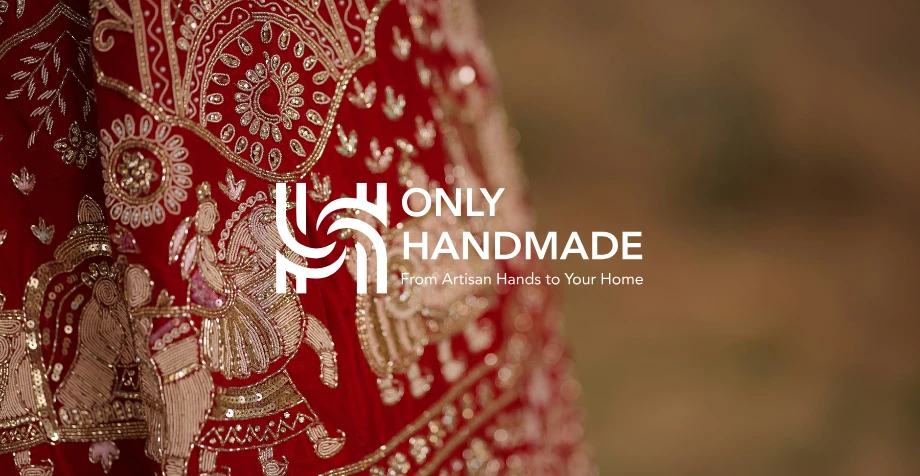
The fashion world is witnessing a noticeable shift toward authenticity, as integrating heritage embroidery into modern fashion has become a powerful trend that expresses cultural identity in a contemporary way. Embroidery is no longer merely a traditional handcrafted skill; it has evolved into an artistic element that tells historical stories and adds unique aesthetic value to modern designs.
Designers draw inspiration from inherited techniques and motifs to create innovative pieces that bridge the past and the present. This approach helps revive traditional crafts and ensures their continuity in the face of mass production, offering consumers clothing that carries cultural depth as well as refined beauty.
What Are the Most Famous Types of Heritage Embroidery in Fashion?
The fashion world is enriched by a wide variety of heritage embroidery styles that add cultural depth and aesthetic value to contemporary designs. Each style carries a story and a history that reflects the identity of its region of origin. Understanding these types helps you appreciate the value of the piece you wear and choose what best suits your taste and personality.
Palestinian Embroidery:
Known for the cross-stitch (Tatreez) and the prominent use of vibrant colors such as red, symbolizing joy. Its motifs feature geometric and botanical forms inspired by the local environment, with each region having distinctive patterns that once identified its women.
Indian Embroidery:
Characterized by richness and diversity, using techniques such as Zardozi, which relies on gold and silver metallic threads, and Shisha, which incorporates small mirror pieces sewn onto fabric. This type of embroidery adds a clear sense of luxury to garments.
Moroccan Embroidery (Fassi Stitch):
Renowned for its precision and bright colors, using the “ant stitch” and motifs inspired by nature and Islamic ornamentation. Commonly used in caftans and djellabas, it lends an air of authenticity and elegance.
Counted-Thread Embroidery (Aida):
This technique depends on counting fabric threads to create symmetrical geometric patterns. It is often used in home textiles and garments requiring high precision in detail.
Integrating Heritage Embroidery into Modern Fashion
Integrating heritage embroidery into modern fashion has become a global movement that connects the authenticity of the past with the creativity of the present. This art is no longer limited to traditional garments; it has reached international fashion runways, adding unique character and artistic value to contemporary pieces.
Designers incorporate embroidery into various items such as:
Jackets and Denim:
Heritage motifs are added to collars, pockets, or the back of jackets, giving casual pieces an unexpected touch of elegance.
Evening Dresses:
Contemporary gowns are embellished with intricate hand embroidery, especially on bodices or sleeves, transforming dresses into refined works of art.
Accessories:
Hand embroidery appears on bags, shoes, and scarves, allowing subtle yet elegant heritage accents in any outfit.
Discover more: How traditional clothing preserves cultural identity
Secrets to Caring for Embroidered Garments for Long-Lasting Beauty
Embroidered garments—especially handmade pieces—require special care to maintain their beauty and brilliance over time. Proper care protects delicate threads and vibrant colors, keeping your treasured piece looking new with every wear.
Washing and Drying Guidelines
Hand washing:
Always preferred, using cold or lukewarm water and a mild detergent. Avoid harsh rubbing on embroidery.
Machine washing:
If unavoidable, turn the garment inside out, place it in a mesh laundry bag, use a gentle cycle, and cold water.
Drying:
Never use a tumble dryer. Gently press the garment with a dry towel to remove excess water, then lay flat to air-dry away from direct sunlight.
Ironing and Storage Tips
Ironing:
Iron inside out with a cotton cloth placed between the iron and embroidery. Use low heat and avoid direct steam.
Storage:
Store embroidered garments in fabric bags to prevent friction and thread tangling.
Arab and International Designers Who Revived Heritage Embroidery
Heritage embroidery has made a strong comeback on the global fashion scene thanks to visionary designers who recognized its artistic and cultural value. Rather than simply replicating traditional motifs, they integrated them into modern silhouettes, creating designs that blend authenticity with contemporaneity.
Notable designers include:
Elie Saab:
The Lebanese designer known for luxurious, intricate embroidery in haute couture gowns inspired by Eastern aesthetics.
Zuhair Murad:
Celebrated for richly detailed embroidery drawn from diverse cultures, adding drama and elegance.
Naeem Khan:
The Indian-American designer who brings traditional Indian embroidery into modern eveningwear using beads, sequins, and metallic threads.
Rami Al Ali:
The Syrian designer who merges architectural influences with heritage embroidery to create bold, elegant pieces.
Palestinian Embroidery: From Identity Symbol to Global Fashion Icon
Palestinian embroidery is more than decorative art; it is a visual language narrating the history and identity of the Palestinian people across generations. Rooted in Canaanite history, each stitch, color, and motif carries social and geographic significance.
In recent years, Palestinian embroidery has moved beyond traditional dresses to appear on jackets, dresses, and accessories worldwide. Designers have reintroduced it in innovative forms while preserving its symbolism, empowering Palestinian women artisans and ensuring the continuity of this rich cultural heritage.
Discover more: Heritage fashion as inspiration for 2025
Indian Embroidery: A Handcrafted Art on Global Runways
Indian embroidery has long symbolized luxury and precision, deeply rooted in India’s diverse cultural history. Each region boasts distinct techniques and motifs inspired by nature and tradition.
Global fashion houses such as Gucci, Dior, and Valentino collaborate with Indian workshops, especially in Mumbai, to create intricate embroidery. Prominent styles include:
Zardozi:
Luxurious embroidery using gold and silver threads and beads.
Aari:
Executed with a hook-like needle to create fine chain stitches quickly.
Shisha:
Mirror embroidery using small reflective pieces secured with colorful threads.
How to Identify High-Quality Hand Embroidery When Buying
Recognizing fine hand embroidery requires close inspection beyond surface beauty. Touching and examining both sides reveals craftsmanship quality and material durability.
Key indicators include:
Stitch consistency: Generally uniform in size and spacing.
Thread strength: Secure, tight stitches without loose ends.
Clean reverse side: Minimal knots and orderly threadwork.
Smooth fabric surface: No puckering around embroidery.
Detail precision: Clear shapes and well-defined edges.
Frequently Asked Questions
Is buying hand-embroidered clothing a good investment?
Yes. High-quality pieces often retain or increase their value due to the rarity of skilled artisans.
How can I style bold embroidery without overdoing it?
Let the embroidered piece be the focal point and keep the rest of the outfit simple.
What is cultural appropriation in heritage embroidery?
It occurs when designs are used without understanding, credit, or benefit to the original culture. Ethical fashion supports direct collaboration with artisans.
Can embroidery be applied to non-traditional fabrics like leather?
Yes, with specialized techniques and materials.
What is the difference between cotton and silk embroidery threads?
Cotton threads have a matte finish and are ideal for everyday wear, while silk threads offer natural shine and luxury.




 +201063701400


