
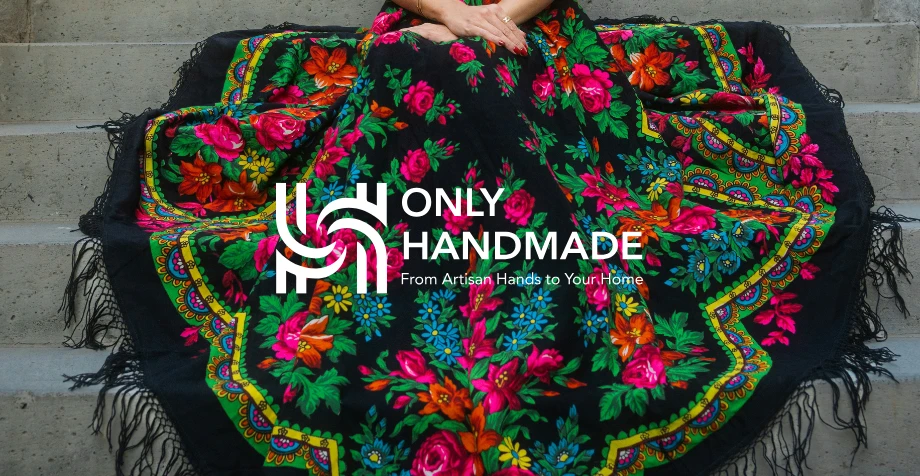
Traditional clothing is far more than garments worn on special occasions; it is a living record that preserves a nation’s customs and heritage and serves as a visual expression of belonging. In a world where globalization accelerates and cultural boundaries fade, an urgent question arises: How does traditional clothing preserve the cultural identity of peoples?
These garments are not merely decorated fabrics, but a language that narrates the history and values of ancestors. They carry social and economic symbols that vary from one region to another, making traditional attire a strong safeguard against the erosion of heritage in the face of modern challenges.
How Traditional Clothing Preserves Cultural Identity
Traditional clothing functions as a visual archive that documents the history and heritage of nations. It is not simply apparel, but a powerful means of expressing belonging. By wearing traditional garments, individuals remain connected to their roots and proudly showcase customs and traditions passed down through generations.
These clothes also serve as a bridge between the past and the present, strengthening collective memory within society and clearly demonstrating how traditional clothing preserves cultural identity amid global transformations.
What Is the Role of Traditional Clothing in Expressing Identity?
Heritage clothing plays a fundamental role in expressing both personal and collective identity. It reflects social and cultural affiliations and, in some societies, even economic status. Each traditional garment carries its own story and symbolism, acting as an unspoken language that conveys ancestral history and values.
Preserving traditional attire is, therefore, a means of protecting identity from fading in the face of rapid global change.
Discover more: Traditional clothing as inspiration for 2025 fashion
Examples of Traditional Clothing Symbolizing National Identity
Traditional clothing around the world serves as a living symbol of national identity, each with its own story reflecting the culture of its country:
Japan: The kimono represents elegance and heritage, embodying deep historical and cultural values.
India: The sari is an inseparable part of Indian women’s cultural identity and a strong symbol of tradition and authenticity.
Saudi Arabia: The thobe and ghutra for men and the abaya for women represent national heritage and reflect societal values and connection to the land.
Morocco: The caftan is renowned for its exceptional craftsmanship in tailoring and embroidery, symbolizing authentic Moroccan identity.
Symbols and Colors in Traditional Clothing and Their Cultural Meanings
Colors and symbols used in traditional clothing carry profound cultural meanings beyond aesthetics. They are rarely chosen at random and are often linked to beliefs, social values, or specific occasions.
For example, white may symbolize purity and celebration, while red represents strength and joy in other cultures. Embroidery and decorative motifs are often inspired by local environments or folklore, reflecting social status or tribal affiliation.
Challenges Facing Traditional Clothing in the Era of Fast Fashion
Traditional fashion faces significant challenges in the age of fast fashion, which relies on mass production and low prices. This model promotes excessive consumption of unsustainable materials, negatively affecting traditional craftsmanship. Key challenges include:
High production costs: Traditional garments require time, skill, and high-quality natural materials.
Mass production competition: Individual artisans struggle to compete with large factories producing clothing at lower costs.
Changing consumer tastes: Many young people gravitate toward global modern styles, reducing everyday demand for traditional attire.
Discover more: How crochet became an artistic element in European fashion
Global and Local Initiatives Reviving Heritage Through Fashion
To counter the decline of traditional clothing, many initiatives aim to revive and integrate it into contemporary life. Locally, governments and cultural institutions support artisans through exhibitions and competitions, such as Saudi Arabia’s “100 Brands” program and the “Reviving Saudi Heritage” competition.
Globally, international designers increasingly draw inspiration from traditional patterns and silhouettes to create innovative designs. Initiatives like “Zay Initiative” work to digitally document and preserve Arab traditional clothing.
What Are the Risks of Losing Traditional Clothing for Cultural Identity?
The disappearance of traditional clothing poses serious risks beyond the loss of a dress style; it threatens the core of cultural identity. One major risk is the loss of historical memory, as these garments serve as living records of ancestral stories and traditions.
Their disappearance weakens the sense of belonging and cultural uniqueness, making societies more vulnerable to cultural homogenization under globalization.
How Can Contemporary Designers Draw Inspiration from Heritage?
Modern designers can play a vital role in preserving traditional clothing by creatively integrating heritage into contemporary fashion. This does not mean copying the past, but reinterpreting it with a modern spirit:
Incorporating traditional patterns and embroidery into modern garments
Updating traditional silhouettes such as the caftan or kimono for everyday wear
Using local fabrics and materials to promote sustainability and support artisans
Designing accessories inspired by traditional jewelry and ornaments
Frequently Asked Questions
Does the loss of traditional clothing affect the local economy?
Yes, it leads to the loss of income for artisans and textile makers who depend on this craft.
What role does education play in preserving traditional clothing?
Education is crucial by including traditional fashion history in curricula and organizing workshops that teach weaving and embroidery skills.
How do museums help protect traditional clothing?
Museums preserve, document, and display rare garments, serving as references for researchers and designers.
Can tourism help revive traditional attire?
Yes, cultural tourism creates demand through souvenirs and festivals showcasing traditional garments.
What about intellectual property rights for heritage designs?
Traditional designs are collective cultural heritage, and many countries face challenges protecting them from unauthorized commercial exploitation.




 +201063701400


