
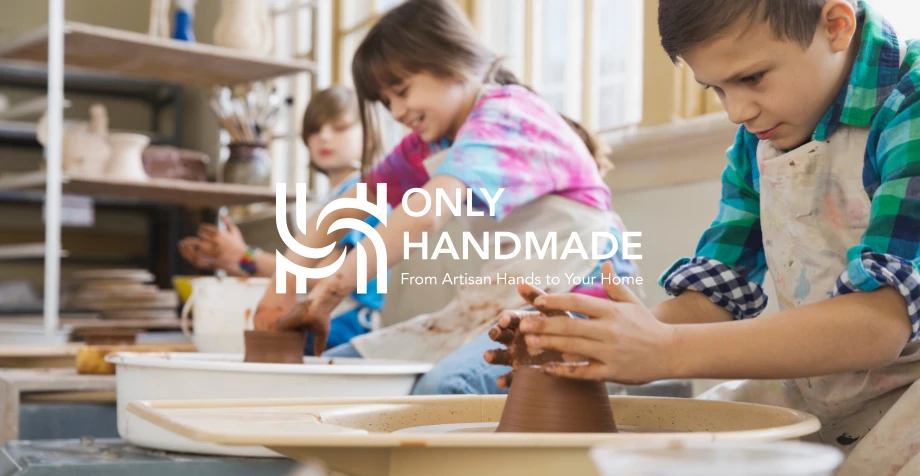
Handcrafted toys are an essential part of a child’s developmental journey. They are not merely tools for entertainment and passing time, but highly effective means for developing a wide range of fundamental skills. Through direct interaction with toys such as blocks, modeling clay, or drawing tools, children develop fine motor skills and strengthen hand-eye coordination. The impact of handcrafted toys on children’s skill development also extends to cognitive and creative aspects, as children learn problem-solving, critical thinking, and self-expression in innovative ways—laying a strong foundation for their academic and personal future.
How Do You Choose Handcrafted Toys Suitable for Your Child’s Age?
Choosing the right toy for your child is an important decision that directly affects their cognitive and emotional development. When selecting toys, consider the following factors:
Child’s age stage: Each developmental stage has different needs and abilities. For example, infants benefit from toys that stimulate their senses, such as bright colors and gentle sounds, while older children gain more from toys that encourage movement and skill development, such as climbing and building.
Safety and interest: Ensure that the toy is safe, made from non-toxic materials, and aligned with your child’s interests to guarantee an enjoyable and beneficial play experience.
The Impact of Handcrafted Toys on Children’s Skill Development
Handcrafted toys are powerful tools for holistic child development and go far beyond simple entertainment. Engaging in hands-on activities enhances physical, cognitive, and social growth.
For instance, manual activities help strengthen muscles and refine fine motor skills, while also stimulating imagination and creativity. The benefits of hands-on play include improving problem-solving abilities and critical thinking, forming a solid foundation for future learning.
What Are the Cognitive Benefits of Building Blocks and Construction Toys?
Building blocks and construction toys are more than just playthings—they are powerful tools for mental development and cognitive growth. Through building activities, children develop problem-solving and logical thinking skills by learning balance, planning, and structural stability.
Key cognitive benefits include:
Development of analytical thinking: Children analyze shapes and sizes to make sound construction decisions.
Enhancement of mathematical skills: Children acquire basic math concepts such as shapes, sizes, and counting.
Improvement of social skills: Playing with others teaches cooperation, sharing, and conflict resolution.
The Role of Clay and Dough in Strengthening Hand Muscles
Playing with clay and dough is a favorite and highly effective activity for children, playing a major role in strengthening finger and hand muscles. Kneading, pressing, and shaping actions develop fine motor skills essential for later tasks such as writing and using scissors.
Beyond muscle strengthening, this activity also improves hand-eye coordination and nurtures creativity through free-form modeling.
The Effect of Drawing and Coloring on Creativity and Artistic Expression
Drawing and coloring are among the most important activities for unlocking children’s creativity and helping them express themselves. These artistic activities allow children to use colors and shapes freely to communicate their ideas and emotions in unique ways.
Drawing stimulates imagination and helps children transform abstract ideas into visual forms, enhancing creative thinking and problem-solving skills. Completing an artwork also gives children a sense of pride and boosts their self-confidence.
Beading and Threading Games for Fine Motor Skill Development
Activities such as beading and threading are excellent exercises for developing fine motor skills. They require precise finger and hand movements, strengthening small muscles and improving hand-eye coordination.
These skills are essential for daily tasks such as writing and buttoning clothes. In addition to motor benefits, such games enhance focus and patience, as children must work calmly and carefully to complete the task.
Tips to Encourage Your Child to Engage in Handcrafted Play
Encouraging children to step away from electronic devices and engage in hands-on play can be challenging, but it is a valuable investment in their development. Making the experience enjoyable and interactive is key. Active parental participation significantly increases enthusiasm and reinforces the positive impact of handcrafted toys on children’s skill development.
Provide a suitable environment: Set up a space with accessible materials such as colored paper, crayons, clay, and blocks.
Active participation: Play with your child and share their interests. Your enjoyment motivates them to continue.
Establish playtime routines: Make hands-on play a regular part of the daily schedule.
Display their creations: Celebrate your child’s achievements by showcasing their artwork at home, boosting pride and motivation.
How Do Handcrafted Art Activities Build a Child’s Self-Confidence?
Handcrafted art activities are powerful tools for building a child’s self-confidence, as they provide a sense of achievement and self-worth. When a child transforms an idea into a tangible creation—such as a drawing or clay model—they feel proud of their creative abilities.
This sense of accomplishment comes not only from the final result but also from the creative process itself, teaching children the value of effort and perseverance. Positive feedback from parents and teachers strengthens a healthy self-image and encourages children to try new experiences without fear of failure.
Frequently Asked Questions
Are handcrafted toys beneficial for children with ADHD?
Yes, very much so. Many hands-on activities require focus and calmness, helping children improve concentration and channel their energy productively.
At what age can I start introducing handcrafted toys?
You can start very early. Infants can use safe sensory toys, followed by edible-safe dough and non-toxic paints as they grow.
How do handcrafted toys support emotional development?
Hands-on activities allow children to express emotions they may struggle to verbalize, promoting emotional regulation and satisfaction.
Can handcrafted play improve academic performance?
Absolutely. Skills gained through hands-on play—such as problem-solving, focus, critical thinking, and fine motor skills—form a strong foundation for school success.
What role do handcrafted activities play in strengthening family bonds?
Shared hands-on activities create meaningful screen-free interaction, strengthening relationships and creating lasting memories.




 +201063701400


