
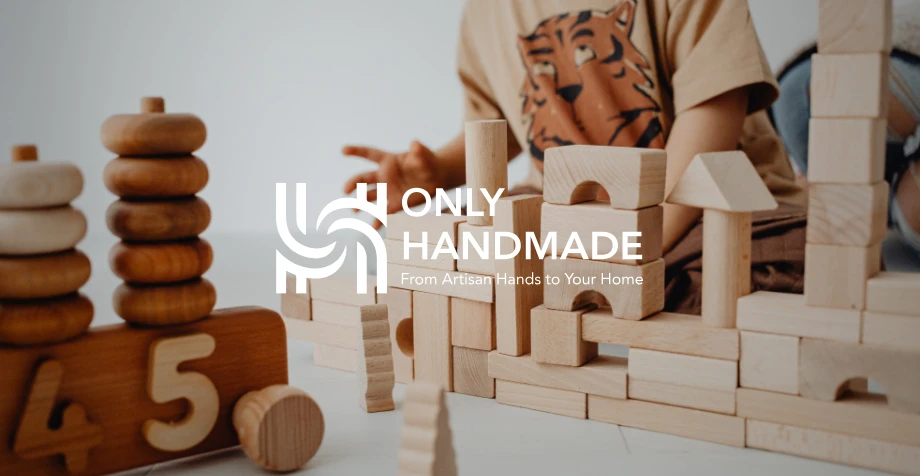
With the growing awareness of sustainability and children’s health, choosing toys has become a decision that goes far beyond simple entertainment. Eco-friendly educational wooden toys are gaining increasing popularity among parents who seek safe and beneficial alternatives for their children. Made from natural and renewable materials, these toys not only provide a rich and stimulating play experience that supports a child’s motor and creative development, but also help instill environmental responsibility from an early age. Free from the harmful chemicals often found in plastic toys, wooden toys offer a long-lasting, healthy option—making them an investment in both a child’s future and the planet.
How Do Wooden Toys Help Develop Your Child’s Skills?
Wooden toys are an effective and holistic tool for developing a child’s abilities in a natural and interactive way. They go beyond entertainment and directly contribute to building essential skills. Unlike electronic toys, wooden toys require the child to actively drive the play experience, enhancing creativity and critical thinking rather than passive consumption.
Fine motor skills: Toys that involve assembling, stacking, or grasping pieces—such as blocks and wooden puzzles—strengthen hand and finger muscles and improve hand-eye coordination.
Problem-solving and critical thinking: Wooden puzzles and building blocks encourage planning and analysis, fostering logical and strategic thinking.
Creativity and imagination: The simple designs of wooden toys leave room for imagination, allowing a set of blocks to transform into a castle or an entire city.
Social skills: Many wooden toys are designed for group play, teaching children cooperation, sharing, and negotiation.
What Are the Benefits of Educational Wooden Toys for Child Development?
Eco-friendly educational wooden toys offer a wide range of benefits that support a child’s overall growth by combining learning and fun in a safe and healthy framework. These toys stimulate the senses and encourage exploration, making learning intuitive and enjoyable.
Cognitive development: Toys such as wooden counting boards and alphabet blocks help teach basic math and language concepts in a tangible, interactive way.
Sensory development: The natural texture and gentle scent of wood provide a calming sensory experience, unlike cold plastic materials. This sensory input enhances perception and spatial awareness.
Improved focus and patience: Many wooden toys, such as puzzles, require concentration and persistence, teaching children the value of patience and determination.
Why Are Wooden Toys a Safe Choice for Your Child?
Child safety is every parent’s top priority, and wooden toys clearly outperform plastic alternatives in this regard. They are made from natural materials, significantly reducing exposure to harmful chemicals commonly found in some plastics.
Durability is another key feature of high-quality wooden toys. They are designed to last and withstand rough play without breaking into small pieces that could pose a choking hazard.
Your Guide to Choosing the Best Eco-Friendly Educational Wooden Toys
When selecting eco-friendly educational wooden toys, several criteria should be considered to ensure safety, quality, and developmental value.
Key Selection Criteria
Child’s age: Choose toys appropriate for your child’s developmental stage and abilities.
Safety and quality: Ensure the toy is made from solid, durable wood with smooth, well-finished edges and non-toxic, water-based paints.
Educational value: Identify the skills you want your child to develop—motor, cognitive, or social—and choose accordingly.
Simplicity: Simple designs often stimulate imagination and creativity more effectively.
Sustainability: Opt for toys made from certified sustainable wood sources to reinforce environmental awareness.
Best Types of Wood Used in Children’s Toys
The quality, durability, and safety of wooden toys largely depend on the type of wood used.
Beech wood: Highly durable and impact-resistant, with a smooth grain that is safe for small hands.
Maple wood: Extremely strong and scratch-resistant, ideal for blocks and toy vehicles.
Birch wood: Lightweight yet sturdy, with a smooth surface and attractive appearance, commonly used for puzzles and educational toys.
Montessori Wooden Toys for Skill Development
Montessori philosophy encourages independent learning through exploration and hands-on experience. Wooden toys are a core component of this approach due to their simplicity and clear educational purpose.
Fine motor skill development: Button frames, buckle frames, and knob puzzles strengthen hand and finger muscles.
Sensory learning: Toys like pink tower blocks teach visual size differentiation.
Independence and problem-solving: Children learn to self-correct and discover how toys work on their own, boosting confidence and autonomy.
Most Popular Eco-Friendly Wooden Toy Brands
Several global brands have earned parents’ trust through their commitment to quality and sustainability.
Hape: Known for innovative designs and high-quality craftsmanship, using sustainably sourced wood and child-safe water-based paints.
PlanToys: A Thai brand that pioneered the use of chemical-free rubberwood and adheres to the highest sustainability standards.
Grimm’s Spiel & Holz Design: A German family-owned company famous for vibrant colors and simple designs that encourage open-ended play, using sustainably managed European wood.
Frequently Asked Questions
Do wooden toys last longer than plastic toys?
Yes, high-quality wooden toys are known for their durability and are often passed down through generations.
How do wooden toys stimulate imagination more than electronic toys?
Their simple designs encourage children to invent their own stories and play scenarios.
Can wooden toys be used outdoors?
Some can, especially those designed for outdoor use, but they should be stored in a dry place afterward.
Are wooden toys more expensive?
They may cost more initially, but their durability and educational value make them a better long-term investment.
How do wooden toys reduce clutter?
They usually consist of fewer pieces and have an aesthetic appeal that encourages organized display.




 +201063701400


