
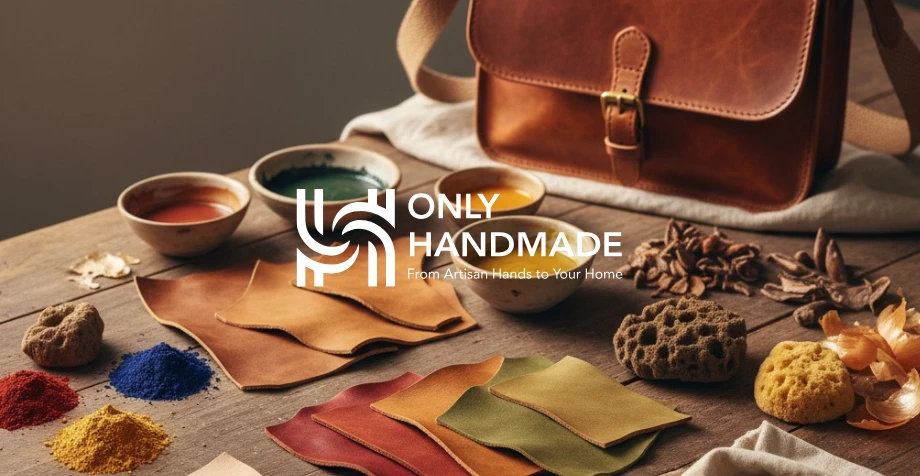
The Art of Hand-Crafted Leather Dyeing with Natural Pigments
Coloring leather products is not just a process, it is an art that breathes life into every design. The technique of hand-crafted leather dyeing with natural materials gives each piece a personal touch and depth that machines can never replicate. It relies on the expertise of skilled artisans who use time-honored techniques to ensure a final product that reflects authenticity and high quality. Join us on a journey to explore this ancient craft and discover how we transform each piece of leather into a living masterpiece that radiates natural beauty and meets your aspirations.
What is Hand-Crafted Leather Dyeing with Natural Pigments?
Hand-crafted leather dyeing is an artisanal process in which leather is colored using pigments extracted entirely from natural sources such as plants, minerals, or even certain insects. The process involves several meticulous steps, beginning with preparing and cleaning the leather, then applying the dye evenly with simple tools like sponges or brushes, and finally fixing the color to ensure durability and quality. This method gives each piece of leather a unique identity that can never be duplicated.
Why Choose Natural Pigments for Leather Dyeing?
Opting for natural pigments in hand-crafted leather dyeing provides advantages that go far beyond achieving beautiful colors, offering both authenticity and sustainability:
Eco-friendly: These pigments are derived from renewable resources, reducing the negative environmental impact compared to chemical dyes.
Safe on skin: Free from harsh chemicals, natural pigments are a safe alternative that won’t irritate the skin.
Unique shades: They create rich, deep tonal variations that interact organically with leather fibers, resulting in a personalized artistic touch.
High quality: Natural pigments preserve the leather’s softness and flexibility, unlike certain industrial dyes that can make it stiff.
Caring for Hand-Crafted, Naturally Dyed Leather Products
To maintain the beauty and charm of hand-crafted, naturally dyed leather products for as long as possible, a careful and consistent care routine is essential:
Regular cleaning: Wipe the leather with a dry, soft cloth to remove dust and surface dirt.
Deep cleaning: For stains, use a slightly damp cloth with a leather-specific soap, gently rubbing in circular motions.
Conditioning: Apply a leather conditioner every few months to keep the leather supple and prevent cracking.
Proper storage: Store leather products in a cool, dry place away from direct sunlight to avoid fading.
Common Mistakes in Leather Dyeing and How to Avoid Them
Even small mistakes can affect the outcome of leather dyeing. Luckily, they can be avoided with proper preparation and the right techniques:
Skipping preparation: Always clean the leather thoroughly to ensure even absorption.
Applying too much dye at once: Use multiple thin layers rather than a single thick one to achieve uniform color.
Not allowing proper drying time: Let each layer dry completely in a ventilated space before applying the next or using the product.
Using unsuitable tools: Choose soft tools such as sponges or wool brushes to spread the dye smoothly.
Learn about: Unique Leather Product Designs
The Key Differences Between Hand-Crafted and Industrial Dyeing
Hand-crafted dyeing: Relies on human skill and artistic focus, giving each item a unique character. Artisans can carefully control gradients and create artistic effects that machines cannot replicate. The final result has a natural and authentic look that carries the artisan’s personal touch.
Industrial dyeing: Uses specialized machines to color large batches of leather quickly and efficiently. While this ensures uniformity and lower costs, the results often lack the depth and individuality of hand-crafted dyeing. The colors may look brighter but less warm and natural.
How Natural Pigments Add Unique Depth to Leather
Natural pigments penetrate leather fibers organically rather than just coating the surface. This interaction creates layered, multidimensional tones that highlight the leather’s veins and natural markings. Unlike synthetic dyes that may conceal these details, natural pigments celebrate and enhance the original beauty of the leather, adding warmth and authenticity that cannot be imitated.
Finest Hand-Crafted Leather Products
Our collection brings together masterful craftsmanship and elegant design. Each piece is hand-crafted and dyed with natural pigments, making it truly one-of-a-kind and a reflection of your refined taste:
Handbags & business bags: Practical yet stylish designs, featuring rich natural colors that age gracefully over time.
Wallets & cardholders: Small, detailed pieces that showcase the natural beauty of leather while serving daily needs.
Leather belts: Timeless essentials, durable and unique in color, adding an authentic touch to your style.
FAQs
How long does natural leather dyeing take?
The process takes several days, including preparation, applying multiple layers of dye, allowing each to dry completely, and finally fixing the color.
Can I request a custom color not shown in the store?
Yes, we offer customization. You can contact our team to discuss available natural pigment shades and create a personalized request.
Will the color of naturally dyed products fade over time?
Like any natural material, the color may shift slightly with age and sun exposure, giving the piece a vintage character that enhances its beauty. Proper care helps preserve the original tone for many years.
What types of leather are best for natural dyeing?
Vegetable-tanned leather is ideal because its open pores absorb natural pigments deeply and evenly, producing rich and lasting colors.
Are natural pigments water-resistant?
By themselves, natural pigments are not waterproof, but we apply a finishing coat to provide resistance against water and stains.




 +201063701400


