
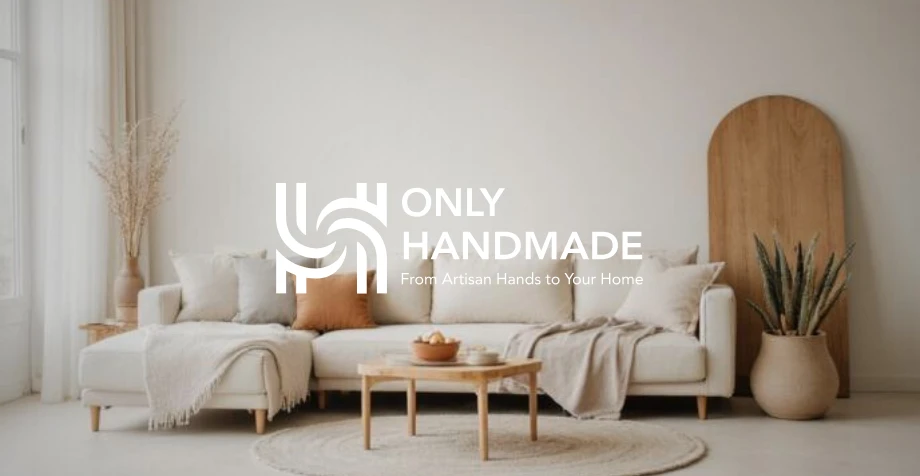
Have you ever felt that your home lacks a sense of warmth and depth that mass-produced furniture simply cannot provide? If you are seeking to elevate your interior design beyond monotony, it may be time to reconsider the value of craftsmanship and skill. In a world driven by rapid production, handcrafted furnishings as a luxury trend in interior design have become the new benchmark of refined taste. These pieces are not merely furniture; they are works of art that tell the stories of their makers and infuse spaces with a unique, personal character. They represent an investment in enduring quality and aesthetics, affirming that true elegance lies in meticulous details and the human touch that cannot be replicated.
Why Are Handcrafted Furnishings a Long-Term Investment for Your Home?
When you choose to purchase a piece of furniture, you are not simply paying for wood and fabric; you are investing in the quality of craftsmanship that determines how long the piece will last.
Handcrafted furnishings are a true investment because they are built according to time-honored durability standards, using traditional joinery and woodworking techniques such as mortise-and-tenon joints instead of nails and low-quality adhesives.
Artisans do not work under the pressure of mass production, allowing them to focus on the finest details and carefully select premium raw materials, whether solid wood or natural leather.
This commitment to quality ensures that handcrafted furniture withstands the test of time and daily use while requiring far less maintenance than commercially produced, disposable furniture, making it the ideal choice for those seeking luxury furniture that lasts.
How Do Handcrafted Pieces Elevate Interior Design Value?
Handcrafted pieces go beyond being functional furniture; they are artistic elements that add unmatched aesthetic depth to any space. Each luxury handcrafted furniture piece carries a unique signature, making it impossible to find two pieces that are exactly alike.
This uniqueness instantly elevates interior design value, transforming the home into a personal gallery that reflects refined taste and appreciation for craftsmanship. To enhance your interior design, focus on incorporating these distinctive elements.
Element of surprise: Use a standout handcrafted piece, such as an inlaid cabinet or a hand-carved chair, as a focal point in the room.
Visual depth: Rich textures and natural, subtle imperfections add warmth and depth that smooth, industrial furniture lacks.
Personal expression: Handcrafted furnishings allow you to express your story and personality through décor in ways mass-produced items cannot.
Handcrafted Furnishings as a Luxury Trend in Interior Design
The growing preference for handcrafted furnishings as a luxury trend in interior design reflects a shift in consumer awareness. Luxury is no longer defined by price alone, but by rarity, authenticity, and ethical production quality.
Luxury furniture is now synonymous with time-intensive craftsmanship and exceptional human skill. This trend aligns with consumers’ desire to own meaningful pieces with narrative value.
Material selection: Artisans tend to use rare and sustainable materials such as reclaimed wood or vegetable-tanned leather, reinforcing the concept of conscious luxury.
Customization: The ability to request bespoke designs tailored precisely to the client’s dimensions and needs, something mass production cannot offer.
Aesthetic value: Unconventional forms and unique finishes ensure these furnishings stand out in any space.
A Comprehensive Guide to Choosing the Finest Fabrics for Handcrafted Furniture
Fabric quality is an integral part of the durability and luxury of handcrafted furnishings. In artisanal furniture, textiles must match the high level of craftsmanship in the structure itself. When selecting handcrafted furniture, follow this guide to choosing fabrics:
Silk Velvet: Ideal for formal reception rooms, offering unmatched sheen and color depth. Look for dense pile velvet.
Full-Grain Leather: The best option for frequently used seating, as it ages beautifully and resists cracking.
Heavy Linen: Provides a natural, elegant texture and is ideal for sunny spaces due to its resistance to fading and shape retention.
Blended Wool: Suitable for furniture requiring high durability, offering softness, strength, and natural stain resistance.
Hand-Embroidered Fabrics: Represent the pinnacle of luxury craftsmanship, adding rich visual interest and enhancing the uniqueness of each piece.
Caring for Handcrafted Furnishings
Preserving the beauty of handcrafted furnishings requires care that differs from industrial furniture, yet it is not complicated. Thanks to their natural materials and superior construction, these pieces respond well to consistent maintenance. Follow these guidelines to keep them in optimal condition for years:
Regular cleaning: Use a soft, dry cloth to remove dust frequently, especially from carvings and intricate details. Avoid harsh chemical cleaners on hand-finished wood.
Sun protection: Keep furniture away from prolonged direct sunlight, particularly leather or dark-colored wood, to prevent cracking or fading.
Moisturizing (for wood and leather): Apply natural wood polish or leather oils every few months to nourish the material and maintain flexibility.
Stain treatment: Address fabric stains immediately and gently using cleaners designed for natural textiles, and consult a professional before trying unfamiliar methods.
Inlay and Carving Art: Details That Enhance the Luxury of Handcrafted Furniture
Inlay and carving are hallmarks of exceptional craftsmanship in luxury furniture making. Inlay, also known as marquetry, is a precise technique involving the cutting and assembling of small pieces of colored wood, shell, or bone to create intricate patterns on furniture surfaces.
Carving, on the other hand, involves detailed hand-sculpting of solid wood to create raised, three-dimensional decorative elements. These techniques require extraordinary skill and considerable time to complete.
Such details transform furniture from functional objects into artistic masterpieces, reaffirming that handcrafted furnishings as a luxury trend in interior design are appreciated only by those with refined taste. These intricate embellishments not only enhance beauty but also significantly increase the piece’s monetary value.
Frequently Asked Questions
What is the difference between fully handcrafted furniture and partially handmade furniture?
Fully handcrafted furniture means that all essential stages—cutting, carving, assembly, and finishing—are performed by hand by a skilled artisan. Partially handmade furniture may involve machines in early cutting or assembly stages, an important distinction when seeking authentic craftsmanship.
Is luxury handcrafted furniture suitable for small homes?
Yes, it is ideal. Custom-made designs can be tailored exactly to your space without wasting a single centimeter, something ready-made furniture cannot achieve. One thoughtfully designed handcrafted piece can replace several standard items.
How can I verify the authenticity of handcrafted furniture before purchasing?
Look for signs of hand carving or the artisan’s signature, and request a certificate of origin. Natural, irregular imperfections in wood grain or finishing are strong indicators that the piece was not machine-made.
Can used handcrafted furniture be resold at a good price?
Absolutely. High-quality handcrafted furniture retains its value and may even appreciate over time as antique furniture, especially pieces featuring rare carving or inlay. It is an investment with resale potential.
What preventive care is recommended for handcrafted wooden furniture?
Preventive care includes attaching felt pads to chair and table legs to protect flooring, using coasters for hot or cold drinks on wooden surfaces, and avoiding dragging heavy furniture to prevent joint damage.




 +201063701400


