Have you ever felt that modern designs lack soul and authenticity? This feeling is what drives designers today to search for rich sources of inspiration with deep roots. Suddenly, we find ourselves captivated by the visual treasures of Bedouin heritage, particularly its bold colors and intricate geometric motifs. These elements are no longer museum artifacts; they have become a powerful design language.
Integrating Bedouin colors and motifs in modern designs is not a fleeting trend, but a conscious decision to add warmth, depth, and visual storytelling to products—whether fashion, home décor, or even digital interfaces. This journey from the desert to the screen proves that authenticity remains the key to impactful, timeless design. How can designers master this integration without losing the essence of heritage? This is what we explore here.
Techniques for Integrating Bedouin Heritage into Contemporary Fashion Design
If you are a fashion designer seeking a unique identity, Bedouin heritage offers a complete roadmap. To integrate it intelligently into modern fashion, you must adopt a clear strategy rather than relying on imitation.
Today’s designers can leverage advanced digital tools to digitize Bedouin decorative units and reinterpret them, allowing application on contemporary fabrics such as silk or treated linen.
The key lies in blending Bedouin colors and motifs in modern designs with clean, minimalist global cuts to create balance between authenticity and modernity.
Focus should be placed on refined hand embroidery, which reflects Bedouin craftsmanship as a luxurious detail on coats or contemporary abayas, adding genuine value to the piece.
Understanding Bedouin Motif Symbols: What Does Each Symbol Represent?
Bedouin motifs are not merely lines and shapes; they are a visual language that tells stories of the desert and tribal life. When you use these motifs, you are not adding decoration—you are adding meaning, which is exactly what the conscious consumer seeks. These symbols can be categorized as follows:
Protection symbols: Including the triangular shape known as the amulet or talisman, symbolizing protection from envy or evil spirits, and requiring careful use.
Nature and life symbols: Such as palm tree motifs representing abundance and prosperity, or the crescent symbolizing time and renewal.
Belonging and strength symbols: Abstract forms inspired by swords or tents, symbolizing bravery, strength, and stability amid nomadic life.
Using these symbols thoughtfully in fashion or interior design enhances the product’s appeal and creates a strong visual identity beyond superficial ornamentation.
Bedouin Colors and Motifs in Modern Designs
True competitive advantage lies in presenting Bedouin colors and motifs in modern designs without making them resemble traditional costumes. Design enthusiasts seek bold yet meaningful accents. Deep red, sky blue, and golden yellow inspired by desert sands and sunrises are now used as powerful focal points. To maintain harmony, apply the following structure:
Base color palette: White, black, and sandy beige as neutral backgrounds.
Heritage accents: Concentrated touches of vibrant colors such as red, orange, and fuchsia in small details like buttons or embroidery edges—often referred to as Bedouin color keys.
Motif integration: Limit motifs to defined areas, such as embroidery on a shirt collar or a single repeated decorative unit digitally printed on a modern cushion cover, ensuring a clean, uncluttered look.
This approach transforms design into contemporary art while preserving the spirit of Bedouin heritage.
Textile Design: Transforming Bedouin Rugs into Contemporary Art Pieces
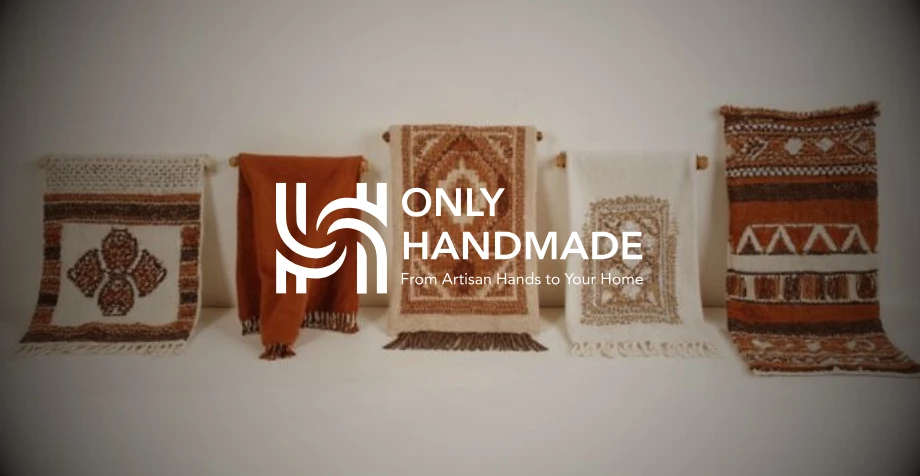
Bedouin rugs, with their strict geometric patterns and rich colors, are a true source of inspiration. To transform this heritage into modern art, designers must think beyond traditional floor use. Small rug pieces or tent textiles can be repurposed as:
Wall art: Framed and displayed as statement pieces rather than floor coverings.
Furniture inlays: Integrated into upholstery of minimalist wooden chairs or benches, creating striking contrast between heritage textiles and modern forms.
Functional décor items: Crafted into luxurious cushion covers or poufs while preserving the integrity of handwoven textiles.
This approach ensures Bedouin textile design retains its artisanal value while meeting contemporary décor needs.
Applying Bedouin Geometric Motifs in Graphic Design
Graphic designers have immense opportunities to incorporate Bedouin geometric motifs into branding and digital interfaces. The beauty of these motifs lies in their geometric simplicity, making them ideal for vector-based digital environments. To apply them effectively:
Abstraction and simplification: Reduce complex Bedouin motifs into clean geometric lines and shapes such as triangles or diamonds.
Patterns: Use simplified units to create unique background patterns for websites or product packaging.
Typography and icons: Draw inspiration from sharp angles and curves found in Bedouin ornamentation, combined with Bedouin color palettes for distinctive identity.
This method adds not only aesthetic value but also cultural depth that strengthens design identity in the digital market.
Why Are Global Designers Turning to Bedouin Heritage Now?
The reason is simple: Bedouin heritage offers solutions to modern design challenges—authenticity and sustainability. In an era of globalization and uniform design, consumers seek stories behind products. Bedouin-inspired designs fulfill this demand through:
Authenticity and storytelling: Each piece carries a narrative of place and tradition, adding emotional depth.
Sustainability and craftsmanship: Reliance on natural materials such as wool and leather aligns with global sustainability trends and highlights handmade value.
Timeless aesthetics: Geometric forms and traditional motifs transcend fast fashion trends, making designs enduring and investment-worthy.
Thus, turning to this heritage is an investment in quality and cultural depth beyond surface-level appeal.
The Psychological Impact of Bedouin Colors: Warmth and Belonging in Your Space
When you integrate Bedouin colors and motifs in modern designs for your home, you are not simply choosing beauty—you are shaping a supportive psychological environment.
Bedouin colors dominated by earthy tones such as ochre, dark brown, and desert white, combined with vibrant accents of fiery red and deep blue, are known for evoking warmth and stability.
These colors reflect a connection to land and nature, reducing stress and fostering a sense of belonging and security—values many seek in their living spaces today. A single rug or cushions featuring Bedouin motifs can transform a cold room into a warm, comforting retreat.
Global Designers Who Embraced the Bedouin Style in Their Collections
Bedouin heritage has transcended local inspiration to become a core element in global fashion and décor collections, proving its universal appeal. Visionary designers have masterfully integrated Bedouin motifs to enrich their work, including:
Yves Saint Laurent: In the 1970s, many collections drew inspiration from North Africa, particularly Algeria, featuring bold Bedouin colors and flowing silhouettes.
Valentino: Recent collections showcase rich handcrafted embroidery and heavy textiles inspired by the Middle East and North Africa, reflecting Bedouin artisanal techniques.
Donna Karan: Some collections emphasized organic shapes, earthy colors, and layered garments reminiscent of traditional desert attire.
This global adoption confirms Bedouin craftsmanship as a universal language of luxury and authenticity.
Frequently Asked Questions
What Bedouin materials can be combined with modern metal or glass furniture?
Natural wool and treated leather are primary materials. Their organic textures create a pleasing contrast with the coolness of polished metal and glass, adding warmth and richness.
How can I preserve the Bedouin design character when using it sparingly?
Focus on a single statement piece such as a leather-framed mirror, a small hanging rug, or one upholstered chair, allowing heritage to shine without overwhelming the space.
What is the difference between Bedouin colors and Moroccan colors in décor?
Moroccan colors emphasize variety with turquoise, green, and complex mosaic patterns, while Bedouin colors focus on earthy tones with warm accents and simpler geometric motifs.
Does integrating Bedouin motifs require large interior spaces?
Not at all. Bedouin motifs can be effectively used in small spaces through accessories like embroidered cushions or ceramic vases with Bedouin patterns.



 +201063701400


