
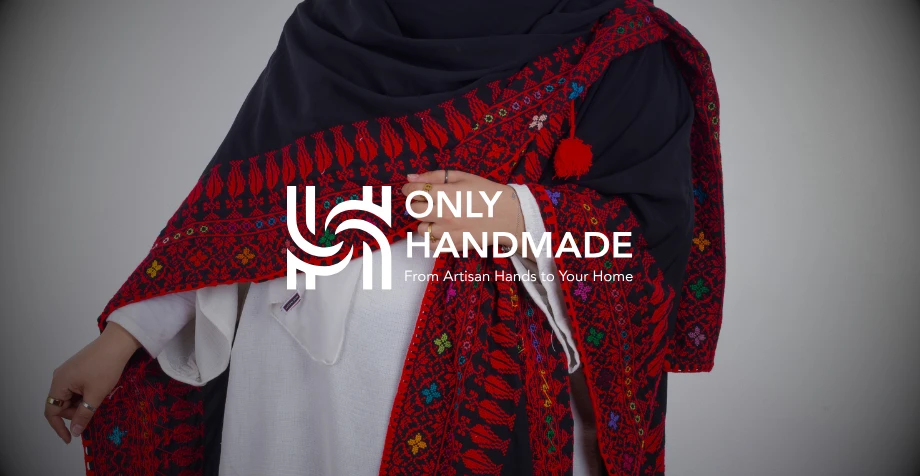
For many years, Sinai’s handmade crafts—with their intricate embroidery and expressive colors—have drawn attention at local and international exhibitions. These pieces are not merely products; they are inherited stories that carry the spirit of the desert and the sea, and the authentic identity of the people of Sinai. The pressing question today is: how are Sinai handicrafts conquering global markets and transforming from a beautiful heritage craft into a sustainable export force?
Achieving this requires more than craftsmanship alone. It demands a well-structured marketing strategy, a precise understanding of global taste, and a strong commitment to preserving cultural identity. How can the efforts of Sinai women transcend borders and reach the shelves of major international retailers? This article embarks on an exploratory journey, highlighting opportunities and the challenges that must be overcome to secure a prosperous future for this valuable craft.
How Are Sinai Handicrafts Conquering Global Markets?
If you are considering investing in or marketing a handcrafted product that combines authenticity with globally demanded quality, Sinai handicrafts represent a golden opportunity.
The answer to how Sinai handicrafts are conquering global markets lies in three core pillars:
Developing products to align with modern lifestyles.
Ensuring distinctive, consistent quality.
Emphasizing the story behind each product.
The global market seeks value and narrative, and Sinai crafts embody both. However, success requires a professional marketing approach that builds bridges with international consumers who appreciate authentic handmade products and positions them as valuable heritage items rather than ordinary goods.
Sinai Embroidery: How a Heritage Craft Becomes a Globally Desired Design
Sinai embroidery is no longer confined to traditional garments; it has evolved intelligently into contemporary designs that enjoy significant popularity in global fashion.
This evolution begins by integrating authentic Sinai motifs—such as the palm tree, camel, and protective eye—into modern, functional products such as luxury handbags, home accessories like cushions and table linens, and even contemporary fashion details.
To ensure Sinai handicrafts reach global markets, designers and artisans must collaborate to understand international trends in colors and sizing while preserving the handmade spirit valued by foreign consumers. This fusion of heritage and modernity is the true key to export success.
The Secrets Behind the Quality of Sinai Handicrafts: Why Do International Consumers Prefer Them?
Meticulous handwork and the story behind each piece form the essence of quality that distinguishes Sinai handicrafts abroad. International consumers are not buying thread and needle; they are investing in inherited skill, time, and unique effort. This quality stems from specific strengths:
Precision of hand stitching (Qadaba): Each Sinai tribe has its own stitches and patterns, making every piece unique and impossible to replicate mechanically with the same value.
Use of natural materials: Incorporating wool, camel hair, and occasionally natural dyes adds environmental value appreciated in European and American markets.
Product longevity: Skilled handcrafting ensures durability in textiles and garments, meeting buyers’ expectations for long-lasting quality.
These factors elevate the value of Egyptian handmade crafts and make them highly desirable.
From Beads to Textiles: Diversifying Sinai Products to Open New Markets
Relying on a single product category limits export potential. Diversification is a crucial strategy for expanding global sales, as it addresses the tastes of broader consumer segments. Sinai handicrafts now extend beyond traditional embroidery to include:
Home décor products: Such as handmade kilim rugs, wool-based art pieces, and embroidered table linens.
Contemporary accessories: Including bead jewelry crafted in Sinai style, and embroidered straw or fabric bags.
Eco-friendly products: Such as Sinai olive oil and accompanying organic goods, marketed within a heritage product collection.
This diversification ensures Sinai crafts appear in gift shops, fashion boutiques, and even specialized eco-friendly exhibitions worldwide.
The Role of Sinai Women: From Home Workshops to Global Exporters
Sinai women form the backbone of the handicraft industry, serving as the primary bearers and transmitters of authentic heritage skills.
Supporting women’s entrepreneurship here is not merely a social objective but a sound economic investment that accelerates export growth. To empower them as international exporters, they must be equipped with quality standard training, digital marketing skills, and small business management knowledge.
The greater their ability to directly connect with global markets, the higher the chances of international success for Sinai products.
Government and Organizational Initiatives Supporting the Sinai Handicraft Industry
Sustainable global expansion of Sinai handicrafts requires strong institutional support. Governmental and civil initiatives play a vital role in creating an enabling environment for artisans by providing:
Raw material kits and essential tools to help women start production without heavy financial burdens.
Training and qualification programs to elevate quality and design standards to meet international requirements.
Organization of specialized local and international exhibitions—such as the “Tetlaff in Silk” initiative—to open direct marketing channels and facilitate shipping and export processes.
These initiatives act as a lifeline, ensuring the continuity of the craft and transforming it into a productive export-driven sector.
How Do Sinai Handicrafts Capitalize on the Ethnic Fashion and Accessories Trend?
Ethnic and folkloric fashion is witnessing growing global demand, presenting a unique opportunity for Sinai handicrafts. To fully capitalize on this trend, artisans should integrate core heritage elements into contemporary, wearable designs.
This involves applying intricate Sinai embroidery to specific areas—such as sleeve edges, denim pockets, or as central embellishments on bags and footwear—rather than covering entire products.
This technique preserves the distinctive Sinai identity while appealing to younger Western consumers seeking ethnic-inspired handmade products. Innovation in application, not repetition, is the focus.
Promising Markets for Sinai Handicrafts: Europe, the Gulf, and Latin America
When exporting Egyptian handicrafts, identifying target markets precisely is essential for success. Three markets stand out:
Europe: Values superior quality, fair trade, heritage storytelling, and sustainable products.
The Gulf region: Appreciates refined taste and Arabic heritage crafts, with strong purchasing power.
Latin America: A relatively new yet eager market for colorful handicrafts and decorative textiles, opening opportunities for beadwork and woven Sinai products.
Targeting these markets requires in-depth research into consumer preferences and adapting product offerings and packaging accordingly.
Frequently Asked Questions
What materials are commonly used in Sinai handicrafts, and are they sustainable?
Primary materials include high-quality cotton fabrics and colored silk and cotton threads. There is a growing trend toward sustainable materials such as wool, camel hair, and linen to meet global demand.
What is the biggest challenge in shipping and exporting Sinai handicrafts?
The main challenge lies in standardized packaging to protect delicate handmade items during international shipping, along with simplifying customs procedures for small-scale exports.
How can international buyers verify the authenticity and quality of Sinai embroidered products?
Buyers should look for products certified by official bodies or associations specializing in Sinai handicrafts, or those registered under fair-trade initiatives guaranteeing authenticity.
Can Sinai handicrafts be customized for global fashion brands?
Yes, many Sinai women’s workshops now offer custom orders for international fashion brands while preserving traditional stitches and identity.
How is the intellectual property of Sinai embroidery patterns protected?
Efforts are underway to register these patterns as part of Egypt’s cultural heritage, providing legal protection against imitation and ensuring the “Made in Egypt” label is reserved for authentic products.




 +201063701400


