
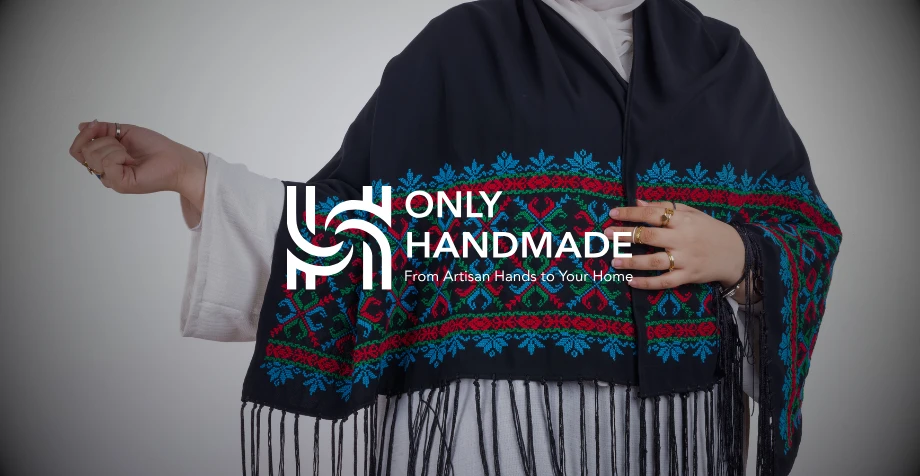
Have you ever considered that an embroidered piece of fabric or a handwoven rug could serve as a cultural passport? This is precisely the case when we speak of Sinai handicrafts as a symbol of Egyptian identity. They are not merely beautiful traditional products; they are a historical record and a mirror reflecting the authenticity of the Land of Turquoise and the uniqueness of Bedouin society. In every embroidery stitch, every arranged bead, and every chosen color lies a story of environment, customs, and patience passed down through generations.
These crafts are tangible treasures that protect our cultural roots from extinction and affirm that living heritage can generate meaningful economic opportunities, especially for the skilled women of Sinai. Here, we explore together how these handmade creations evolved from simple home-based work into a national icon of artistic and economic value.
Sinai Handicrafts as a Symbol of Egyptian Identity
When exploring Sinai handicrafts as a symbol of Egyptian identity, we are not merely discussing artistic pieces, but living documents that reflect a deep Egyptian connection to the land.
These handmade works represent an identity refined by patience, woven by the hands of Sinai women who inherited the craft generation after generation.
They form a bridge between the past and present of the Land of Turquoise, carrying stories of traditions, desert life, and authentic Bedouin values. When you acquire one of these pieces, you are not purchasing a product—you are investing in history and culture that form an integral part of Egypt’s national heritage. This artistic embodiment of identity grants Sinai products a unique global value.
Sinai Embroidery: Colorful Narratives That Tell Egypt’s History
Sinai embroidery is an endless story of color and the heart of Sinai’s handicrafts. Every color and stitch carries historical or social significance, and patterns vary according to tribe and geographical region (North or South Sinai). This art is not random; it follows a precise system rooted in cultural heritage.
Red: Symbolizes vitality and strength, widely used in garments for young women.
Green: Represents fertility and growth, inspired by palm trees and nature.
Blue and black: Signify protection and dignity, commonly used in clothing for older women.
These textile compositions are a vital part of traditional Sinai handicrafts, narrating the region’s history without words.
Bedouin Clothing: How Sinai Handicrafts Reflect Cultural Identity
Traditional Bedouin attire is not merely clothing; it is a social and historical identity card. Every detail in Sinai garments—from the robe’s silhouette to embroidery density and stitch type (such as cross-stitch)—indicates a woman’s social status, marital state, and tribal affiliation.
The long, flowing robe adorned with meticulous embroidery showcases the exceptional skill of Sinai craftswomen. Owning such attire means possessing an artistic piece that reflects Bedouin values of modesty, dignity, and deep attachment to Egyptian land.
The Authenticity of Sinai: The Role of Handicrafts in Preserving Egyptian Heritage
Handicrafts in Sinai play an invaluable role in safeguarding Egyptian heritage from fading amid mass-produced goods. These crafts serve as the region’s tangible memory.
Whether weaving a Bedouin rug on a loom or crafting silver and copper jewelry, artisans preserve manual techniques inherited across generations, ensuring the survival of this artistic legacy.
This commitment to authenticity places Sinai in a unique position on the map of traditional crafts locally and globally and encourages direct support of artisans to protect this cultural treasure.
Sinai Handicrafts: A Visual Archive of the Land of Turquoise Traditions
Traditional Sinai handicrafts act as a visual archive documenting daily life and inherited customs of the Land of Turquoise.
Motifs embroidered into fabrics draw inspiration from the surrounding environment—marine life, palm trees, birds, and stars in the sky.
This deep connection with nature transforms each Bedouin embroidery into a unique artistic narrative of place. Bedouin jewelry crafted from silver and copper carries protective and decorative symbols, making it more than an accessory—it is a cultural artifact.
Most In-Demand Types of Sinai Handicrafts in the Market
Those seeking authentic Sinai handicrafts will find remarkable diversity that caters to different tastes. This variety has driven strong demand in local markets and international exhibitions.
Embroidered garments: Kaftans, abayas, and shawls featuring dense Sinai embroidery.
Bedouin jewelry: Silver and copper necklaces, bracelets, and rings with distinctive tribal character.
Textiles and rugs: Handwoven kilim and Bedouin rugs crafted on looms, known for geometric patterns and warm colors.
Sinai Fashion Designs
Embroidered kaftans and abayas are iconic elements of traditional Sinai attire. The embroidery is not mere decoration but a visual language that differs between North and South Sinai.
Sinai kaftans feature dense, precise stitching—especially around the chest and sleeves—often using silk and cotton. To ensure authenticity, examine the uniformity and precision of hand stitching, which reflect true craftsmanship.
These garments transcend traditional occasions and have inspired contemporary fashion, making them both a cultural and aesthetic investment.
The Art of Bedouin Rugs and Kilim Weaving in North and South Sinai
Sinai handicrafts extend beyond clothing to include weaving arts such as authentic Bedouin rugs and kilims. These crafts rely on sheep wool and natural dyes derived from the desert environment.
Sinai rugs and kilims are distinguished by clear geometric patterns and earthy tones—red, beige, and deep blue—reflecting the simplicity of Bedouin life.
To acquire a high-value piece, seek rugs made in local workshops to ensure a fully handwoven heritage product that brings unmatched warmth and authenticity to home décor.
Frequently Asked Questions
What primary materials are used in crafting Sinai jewelry?
Traditional Sinai jewelry is primarily made from silver and copper, often adorned with colored beads or locally available semi-precious stones.
Do embroidery threads differ among Sinai tribes?
Yes, though silk thread and dyed Egyptian cotton are most common, selected according to fabric type and desired sheen.
What is the Bedouin “Beit Al-Sha’ar,” and how is it related to handicrafts?
Beit Al-Sha’ar is the traditional Bedouin tent, woven from thick goat or sheep wool, representing one of Sinai’s oldest textile crafts that provides protection from harsh weather.
Can I request custom designs from Sinai artisans?
Yes, many craft centers and associations welcome custom orders, allowing you to create a unique piece rooted in authentic Bedouin embroidery with a modern touch.
What is the most distinctive stitch in Sinai embroidery?
Cross-stitch is the most widely used and distinctive stitch, covering large fabric areas with precise geometric patterns.




 +201063701400


