
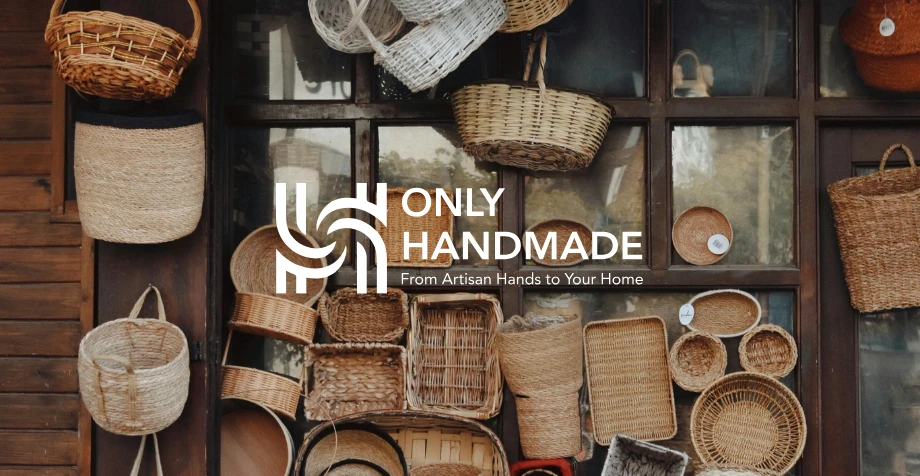
Palm leaf crafts represent a vital part of the cultural heritage in many societies, reflecting the history of ancestors and their rich legacy. This craft, which uses palm fronds as the primary raw material, does not limit its value to producing functional tools but extends to being a symbol of memory and identity passed down through generations. With the decline of interest under technological development, the importance of palm leaf crafts in preserving heritage becomes evident through efforts and initiatives that seek to revive them and link them with contemporary practices, ensuring their continuity and transmission to future generations.
What is the palm leaf craft and how did it begin?
The palm leaf craft, also known as palm frond weaving, is the process of hand weaving and braiding palm fronds to produce a wide range of tools and items.
The process begins with gathering palm fronds, then drying them under the sun until they acquire a white color. After that, they are soaked in water to become soft and easy to shape.
It is difficult to determine the exact date of the start of this craft due to the organic nature of the materials used and their rapid decomposition, but it is considered one of the oldest crafts known to mankind.
History of palm leaf making in the Arab region
The palm leaf industry has deep roots in the history of the Arab region, where the palm tree formed the center of life for the inhabitants. In the United Arab Emirates, for example, the palm leaf craft is considered part of the national heritage and one of the oldest professions still practiced. Likewise in Saudi Arabia, the craft is widespread in palm growing areas such as Al Ahsa, Al Qassim, and Asir. In Egypt, it was famous in the oases, Fayoum, and Nubia regions. This craft was essential to meeting daily needs before modern industries appeared.
Learn more: Palm leaf products as a source of inspiration in summer décor
The Importance of Palm Leaf Crafts in Preserving Heritage
The importance of palm leaf crafts in preserving heritage lies in the fact that it is more than just a craft; it is a living record that tells the stories of ancestors and transfers their experience and skills through generations. This traditional craft strengthens cultural identity and preserves popular heritage from extinction. The continuity of it represents sustainability in the development of heritage environments, and the efforts to revive it through festivals and workshops serve as a bridge connecting new generations with their history.
Types of Palm Leaf Products and Their Uses, Past and Present
The products of this craft vary greatly to meet different needs, and their uses have evolved over time.
Ancient uses:
Mats (Al Barsh): used as floor coverings in homes and mosques.
Baskets and sacks (Al Jafir and Al Quffa): used to carry and transport dates, agricultural crops, and various goods.
The Sufrah (Al Surood): a circular piece used to put food on.
The Mahfa (hand fan): a manual fan for cooling and softening the air.
The Makbah: a cone shaped cover for keeping food and protecting it from insects.
Modern uses:
Home décor: Palm leaf products have come to occupy a wide space as decorative elements adding beauty and simplicity to places.
Fashion accessories: The craft has evolved to include the production of women’s handbags, wallets, hats, and shoes.
Gift packaging: Baskets and boxes made from palm leaf are used innovatively in wrapping gifts for occasions.
Furniture: Palm leaf braids are used in the manufacture of seat sets and chairs made of palm fronds.
Read also: Reinventing palm leaf in fashion and accessories
Palm Leaf Craft as a Source of Income for Producing Families
The manufacture of palm leaf products represents a livelihood for many families, especially in rural areas, providing job opportunities for women who often practice it from their homes. This craft contributes to the economic empowerment of women, as its return serves as additional income for the household. Although the income may be modest at times, it plays an important role in supporting the economy of producing families and improving their living standards.
Differences Between Palm Leaf Making in Different Arab Countries
Although the basic raw material, palm fronds, and the tools used are very similar, there are differences that distinguish palm leaf products from one Arab region to another.
Local names: The craft and its products have different names depending on local dialects. For example, in Saudi Arabia they are known by multiple names such as Al Khasf in the western region, Al Saffif in Al Qassim, and Al Wadaan in Asir.
Designs and decorations: Each region is characterized by special patterns and colors that reflect its culture and environment. In Nubia, Egypt, for instance, beads are used in making palm leaf trays as amulets for protection from envy.
Special uses: Some products may be linked to specific customs and traditions unique to each community, such as certain items used in wedding celebrations or religious occasions.
Types of palm trees: The type of palm used affects the final product quality; some types give a more white and soft palm leaf, making them suitable for fine handicrafts.
The Future of Palm Leaf Crafts Amid Imported Products
The palm leaf craft industry faces a major challenge represented by the competition of plastic and imported manufactured products, which are often cheaper and more available. This reality threatens the continuity of this traditional craft. However, its future lies in innovation and development, by integrating traditional designs with modern touches that meet the tastes of the new generation, and transforming products from mere tools into unique artistic and decorative pieces. Herein lies the importance of palm leaf crafts in preserving heritage by supporting artisans, opening new markets for them, and highlighting the aesthetic and environmental value of these sustainable industries.
Frequently Asked Questions
What are the main tools used in palm leaf making?
The tools used are very simple and depend mainly on the artisan’s skill, and include:
Large knitting needles or awls: used in the braiding and weaving process.
Scissors: to cut the fronds and prepare them in the required lengths and shapes.
Water container: to soak the palm leaf and soften it for shaping.
Auxiliary tools: such as pointed stones or bone pieces that were used in the past.
How long does it take to make one palm leaf product?
The time depends on the size of the product and the complexity of its design. Making a small piece like the Mahfa (hand fan) may take a few hours, while making a large mat or a finely decorated basket may require several days of continuous work.
How is the palm leaf used in decorative products colored?
The palm leaf is colored using natural dyes once derived from plants, or modern chemical dyes. The frond is immersed in boiling water with the color and left for a period until it acquires the desired shade, then it is well dried in the shade before starting to use it to ensure color fastness.
Can palm leaf products be repaired if they are damaged?
Yes, many damages to palm leaf products can be repaired, especially if the damage is minor such as a break in some weaving parts. Skilled artisans re weave the damaged parts using new palm leaf of the same color and technique used in the original product.
How can one care for palm leaf products to ensure their long life?
To preserve palm leaf products, keep them away from direct sunlight for long periods to avoid drying and cracking. It is also advisable to clean them with a dry or lightly damp cloth to remove dust and avoid exposing them to high humidity to prevent mold growth.




 +201063701400


